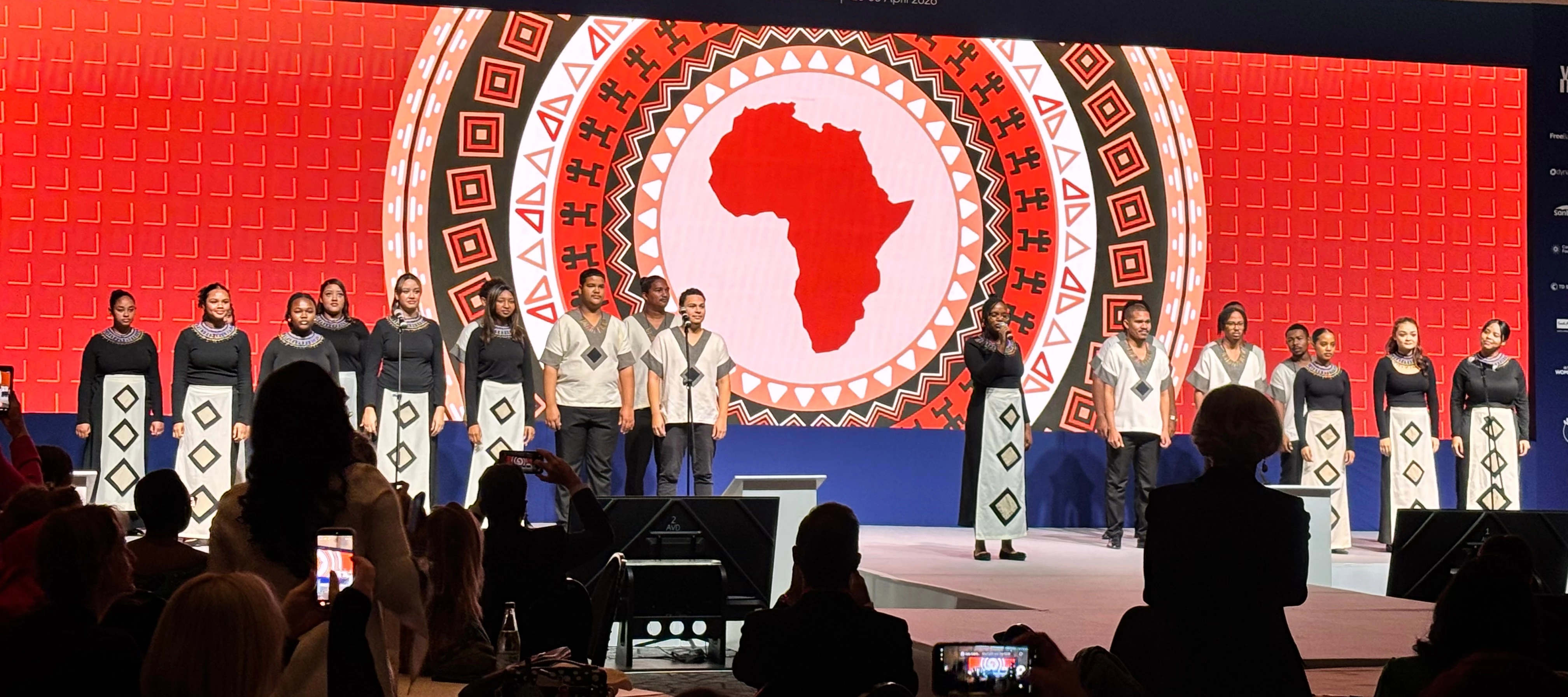


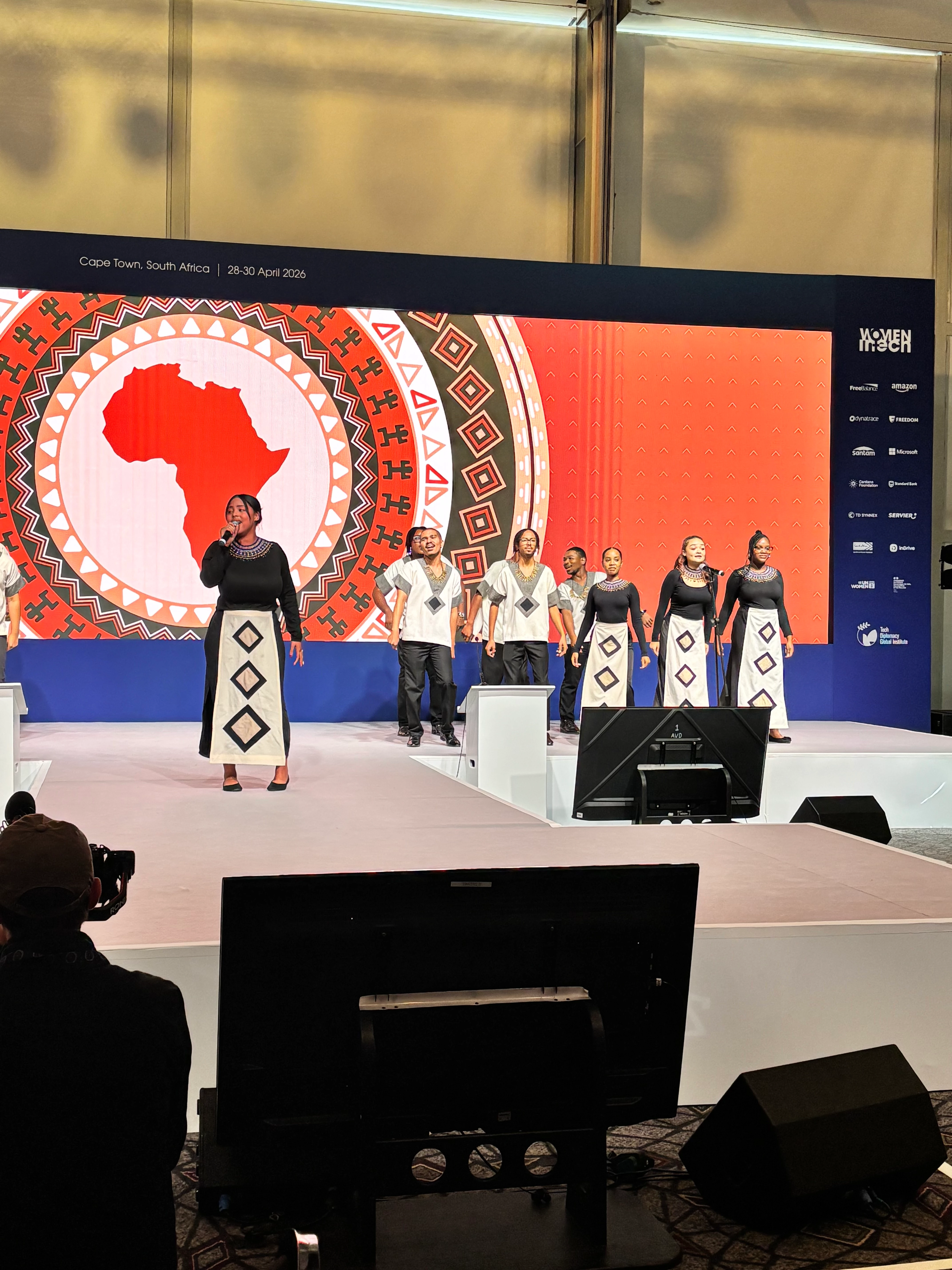
Last week, I had the opportunity to attend a three-day Women in Technology conference in Cape Town, South Africa. Beyond the sessions themselves, one of the highlights was meeting so many inspiring women from different parts of the world — each bringing their own perspectives, experiences, and stories.
A Familiar Conference, Seen From a Different Place
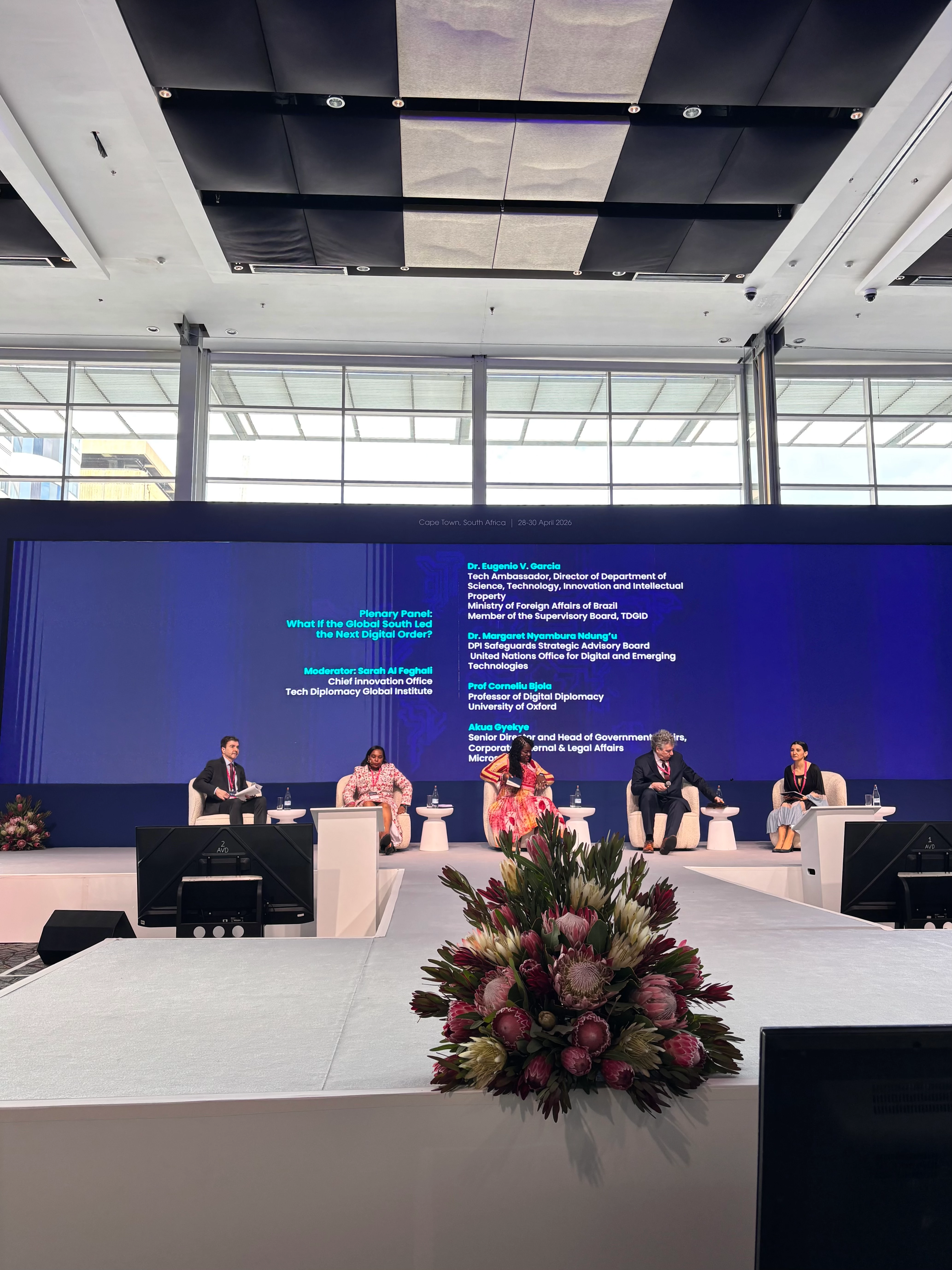
After attending a few events like this over the years, I’ve started to notice a pattern. The conversations around technology, AI, women’s empowerment, and leadership often echo similar themes. That was true here as well, and in some ways it felt familiar. But what made this one feel different was the shift in perspective that came simply from the location.
Being on a different continent brought forward conversations I hadn’t heard as prominently before, especially around the dynamic between the Global South and the Global North. There was a strong emphasis on the Global South having a real voice in shaping major technological decisions, not just adopting solutions built elsewhere. Africa was discussed in a way that caught my attention. Instead of the usual “emerging” or “catching up” framing, it was presented as a region with real potential to influence the future. A lot of that centered on its young population and what that could mean for the next wave of innovation. It was contrasted with Europe and the Americas, where populations are aging, which adds another layer to how the global innovation landscape might shift. It was a different angle than what I’m used to hearing at similar conferences, on other continents.
Looking Beyond Speed: What AI Is Really For
From there, many of the sessions seemed to connect around a deeper theme: not just what technology is doing, but how it is shaping us — and how we choose to respond to it.
One idea that made me pause was how often we talk about AI as a tool for speed. But maybe speed isn’t the point. It’s not just about doing things faster; it’s about value. The real potential of AI isn’t to make life more rushed or more efficient, but to help us make better decisions, create more meaningful outcomes, and focus on what actually matters. Speed might come as a side effect, but it shouldn’t be the goal. If technology only makes us faster, nothing really changes — we just move quicker. But if it helps us create more value, then it changes how we work, how we think, and even how we define success.
The Human Skills That Still Matter
Another recurring idea was that the skills that matter most in the future are still deeply human. Critical thinking, communication, and soft skills remain essential. And in a world where technology keeps evolving, the real strength isn’t in knowing everything — it’s in being able to reskill, adapt, and readapt continuously. In many ways, the most important skill is staying open to change and learning how to learn again and again.
What Are We Becoming? A Question That Hit Deeper
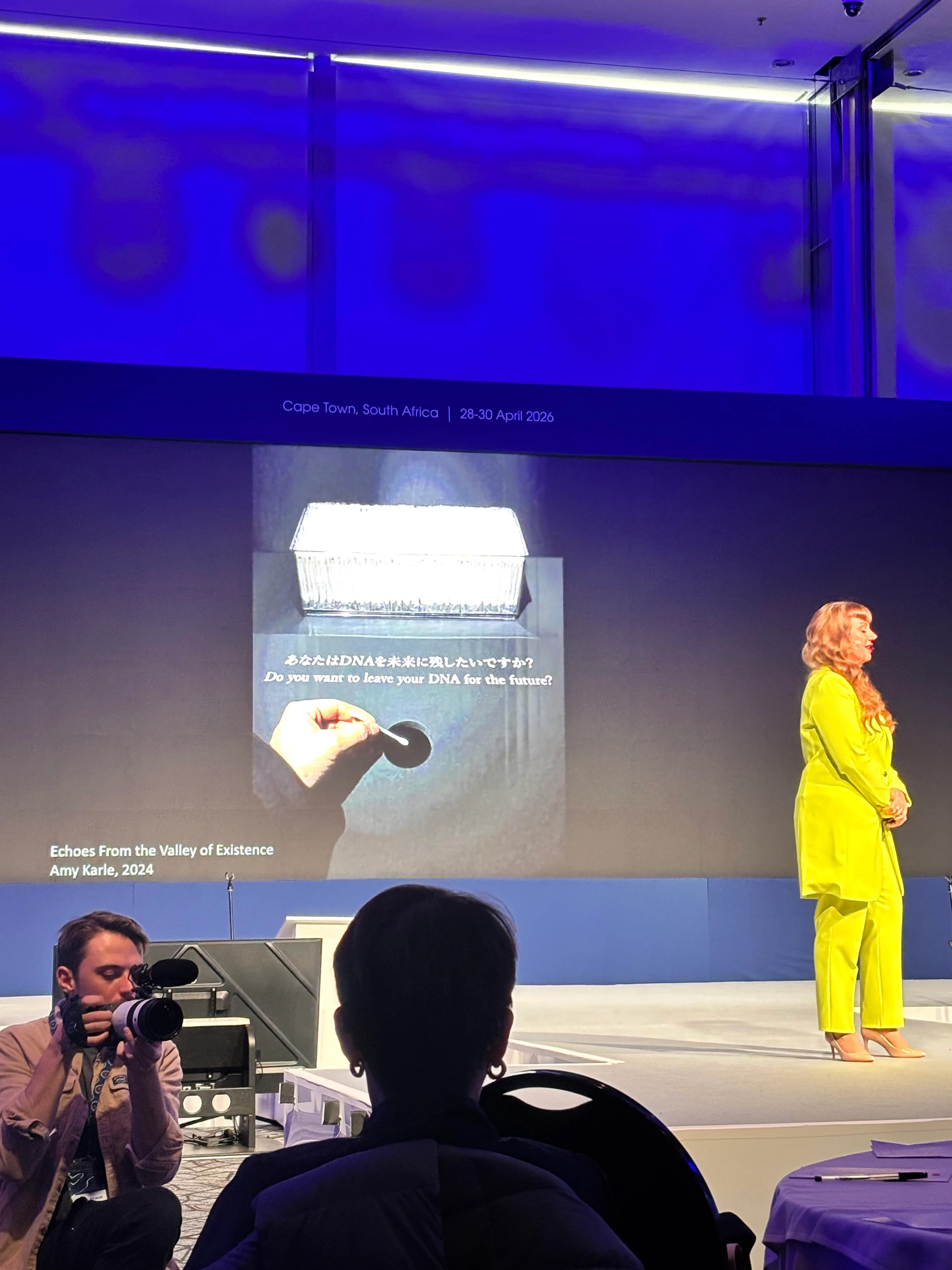
A session that brought many of these ideas into focus was “What Are We Becoming? Human Agency, Intelligence, and the Futures We Shape” by Amy Karle. It went beyond the excitement around AI and asked a more uncomfortable question: are we still in control?
What came through in this and other sessions was that technology is no longer something separate from us. It’s already influencing how we think, decide, and behave — often without us noticing. Our agency still exists, but it’s becoming more indirect, shaped by algorithms, systems, and design choices we don’t always see. That creates a tension: how easy it is to slip into convenience and let technology quietly steer our decisions, instead of being intentional about how we use it.
But there was also a hopeful side. We still have the ability — and responsibility — to shape technology in ways that serve humanity. It’s not just about what these systems can do, but about what we choose to build with them and the futures we actively create.
One comparison from that session shifted something for me. We often think of AI as something external, something we interact with from the outside. But we don’t think of medical technology the same way. If someone has a pacemaker, we don’t call them a cyborg — we see a human whose life is supported by technology. That contrast changes how you think about AI entirely. It’s not humans versus technology. It’s about how technology becomes part of what it means to be human.
The Hot Seat: Ideas Meeting Reality
That idea of framing also showed up in a completely different session: The Hot Seat: Investor Office Hours. It was fast, direct, and very real. Founders had just minutes to pitch their ideas and receive honest feedback from investors — no filters, no fluff.
What made it especially meaningful was that three of the pitches came from women building businesses and looking for funding to grow them further, and the investors stepped in to support them. It reminded me of formats like Shark Tank, which I enjoy because they turn ideas into real opportunities. But seeing it live felt different. It felt immediate and human — people listening closely, responding in real time, and sometimes choosing to support someone right there in the room. It was a simple but powerful reminder that sometimes all it takes is someone saying, “I believe in this.”
Community as a Force for Change
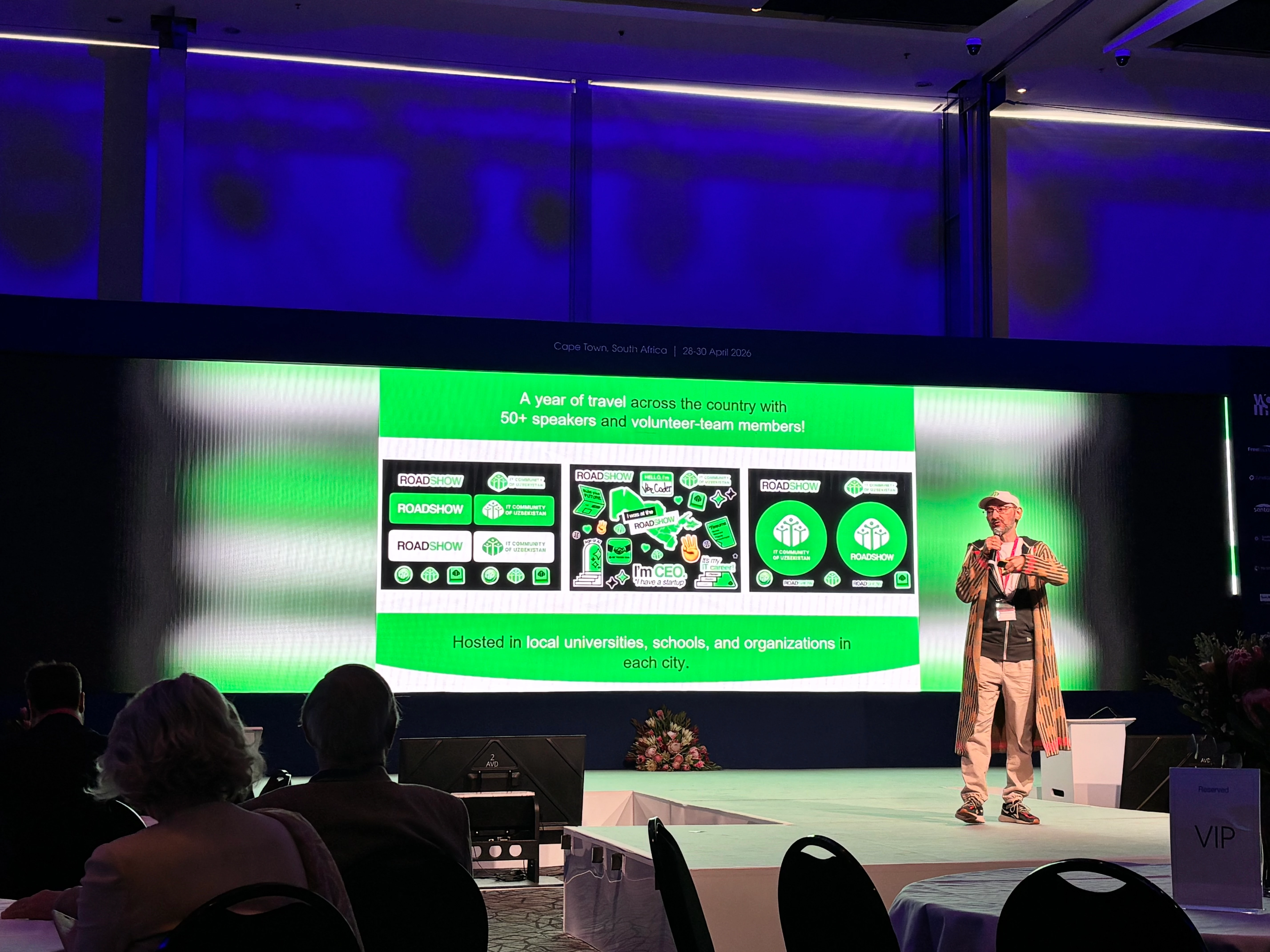
Another session highlighted something just as important, but from a different angle: the role of community. The Ignite Talk — The Roadshow from the IT Community of Uzbekistan — showed how something that starts small, with volunteers and local effort, can grow into a national movement through consistency, leadership, and partnerships.
It wasn’t just about technology. It was about creating opportunities for young people and showing how much impact a strong community can have on the future of a country. It reinforced the idea that meaningful change often begins with people who care enough to start building together.
A Keynote That Hit on a Human Level
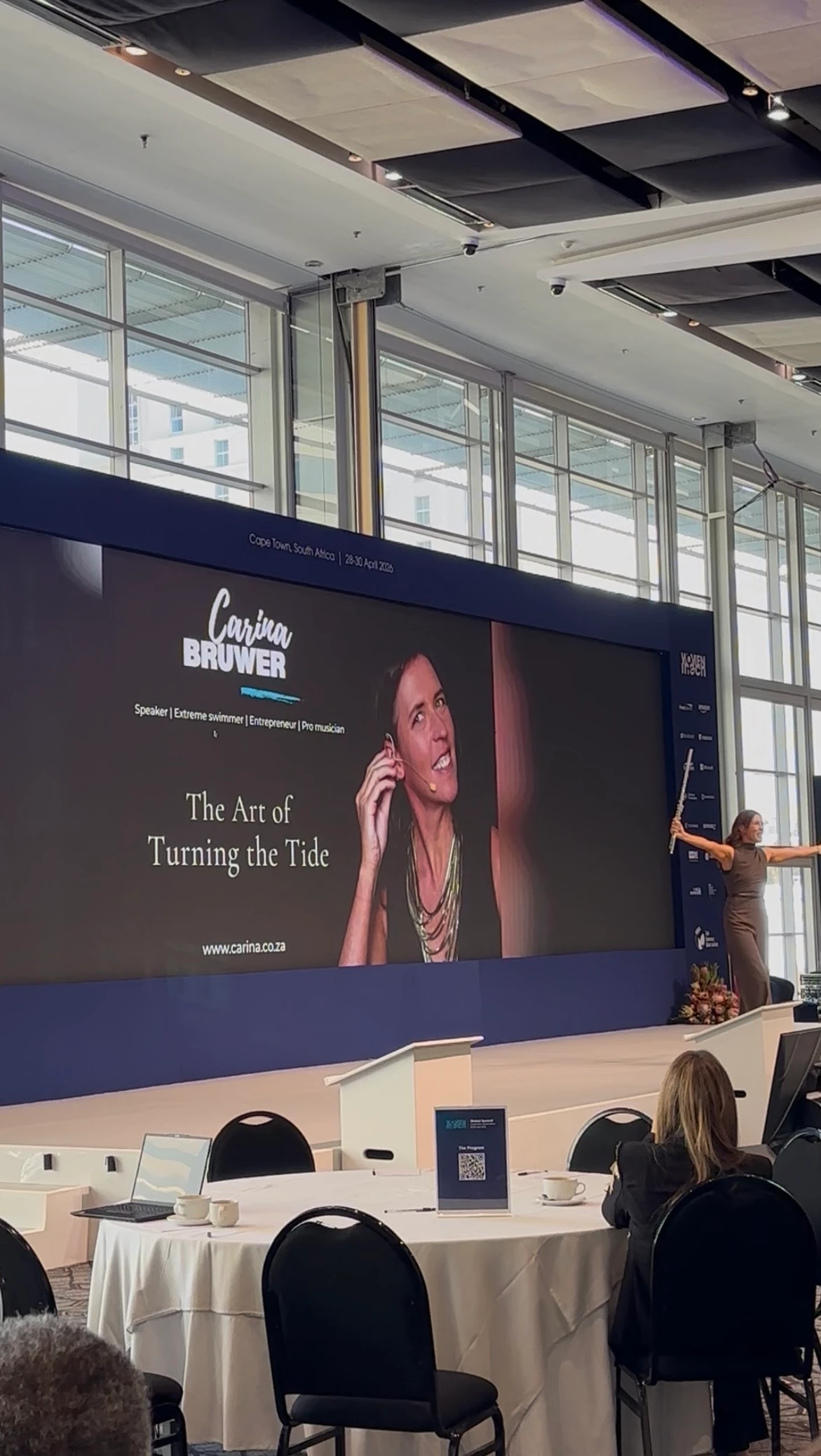
Probably my favourite moment of the conference- the keynote by Carina Bruwer. It was personal, energetic, and genuinely inspiring. She talked about what it means to go against expectations and keep moving forward, both professional and in life. What made it powerful was her honesty — sharing her own struggles in a way that felt real and relatable, without trying to hide the difficult parts.
Instead of presenting a polished success story, she talked about facing obstacles and even turning them into motivation. The passion in how she spoke and played music made the whole room feel awake. It was the kind of talk that stays with you. Her message was simple but strong: you don’t have to follow the usual path to lead or succeed. It’s about having the courage to keep going, even when things are difficult, and creating opportunities not just for yourself, but for others too.
Women in Tech: Presence and Permission
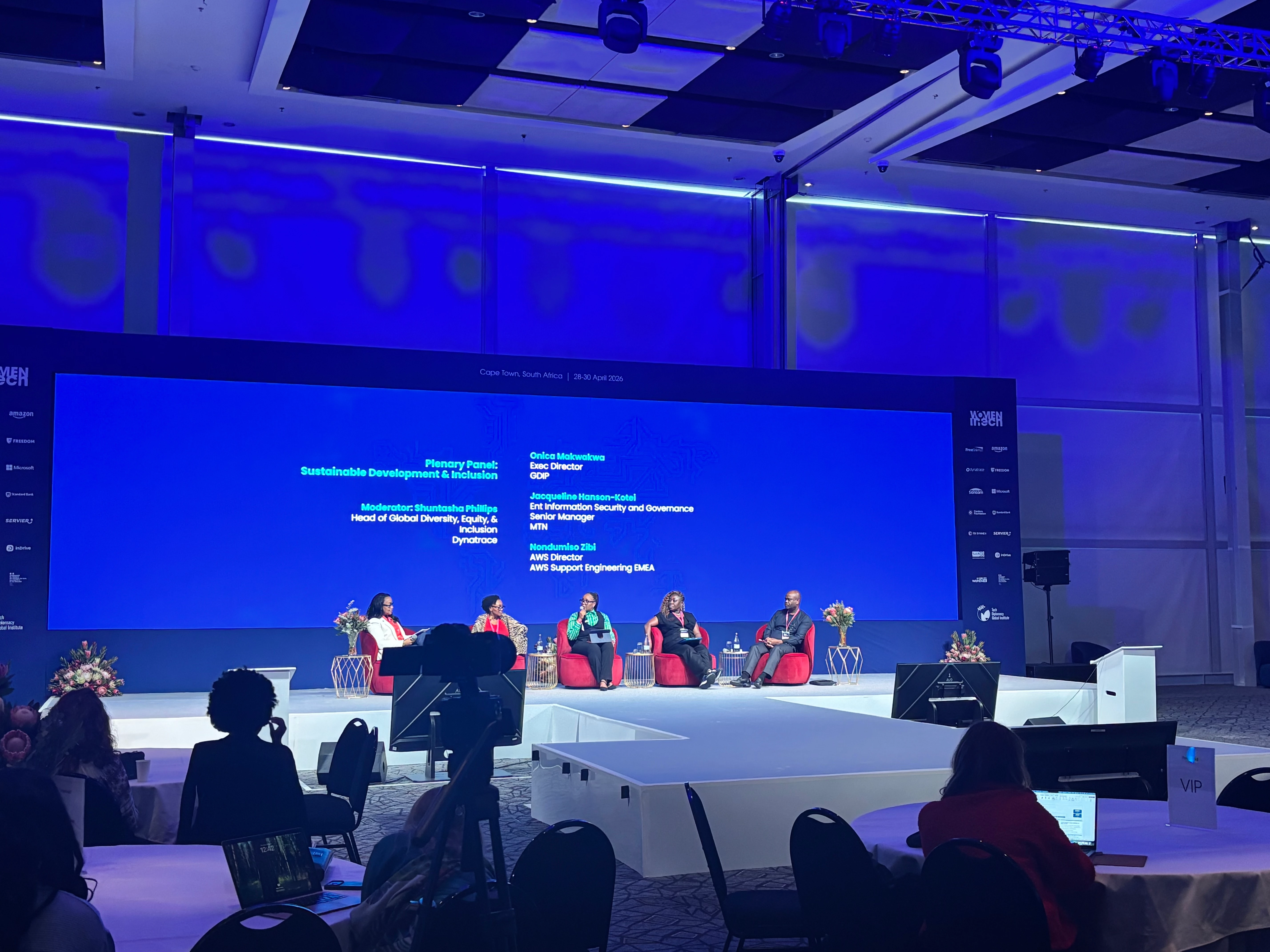
One of the sessions around Sustainable Development & Inclusion brought a few interesting ideas. First, you don’t always have the loudest voice in the room, but that doesn’t make your voice any less important. And second, many women don’t ask enough — for opportunities, for support, or even just for space. It made me reflect on how much of this is habit, and how much can change when you start speaking up and asking more directly. Presence, in the end, isn’t about volume — it’s about showing up fully and not waiting for permission.
That naturally led into a broader point around inclusion. If we talk about sustainable development, inclusion can’t just be a nice idea — it has to be built into how things actually work. Having diverse perspectives in the room is only the starting point. The real question is what happens after that. Do those perspectives actually shape decisions and systems?
What became clear is that inclusion only works when it’s built into structures and processes — not just in hiring, but in how people are supported to contribute, influence, and be heard. Otherwise, it stays just a concept, not something real.
A Final Question That Ties Everything Together
Bringing everything together, the conference ultimately raised one simple but important question: how do we contribute to the common good and how do we use technology to shape that common good? And more importantly, how do we do that now — not in some imagined future, but from where we are today, in the roles and spaces we already occupy.
It became clear that impact is rarely about big moments. It’s about small, intentional actions — choosing to care, to improve, to participate, and to contribute where we are. Over time, those small choices add up to something much bigger than we expect.