

Microsoft Change on O365 Backup throttling 1st March

  • March 2, 2026
  • 3 comments
  • 78 views

Forum|alt.badge.img+3


Many of you might have seen the KB on this change MS are making to how they throttle O365 backups.


https://www.veeam.com/kb4821


You may have deployed serveral Applications in entra Id Azure to increase performance of Sharepoint backups in the past. with varing level of success. 


Well going forward that wont be a concern and MS are changing this so the throttling is no longer app based but is shared accross the subscrition. so as of march 1st if you have more than one application connection into O365 it will not offer any improvment is backup performance.


if you only ever had the default single application registration then you will see no impact at all.

it will be as slow as it was yesterday :)


to check if you have one or more look at your backup apps in the screenshot below.
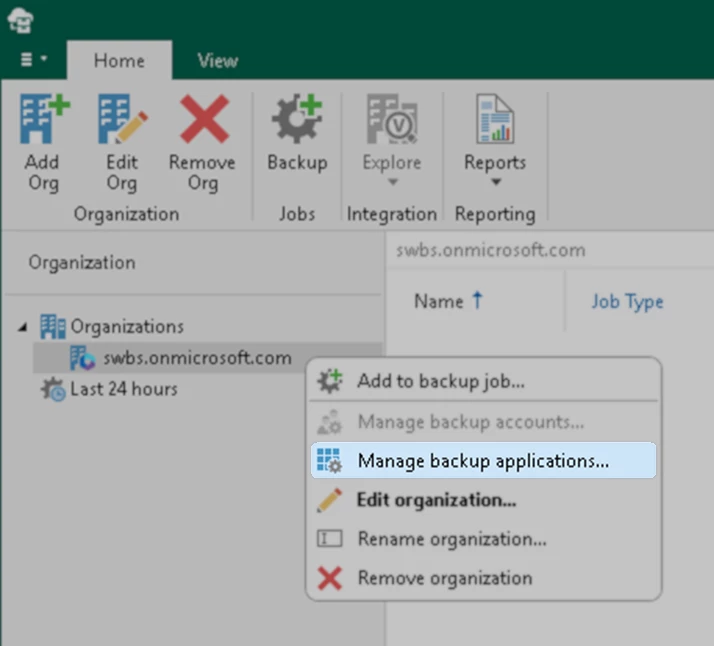
 

Some larger backups that very much needed mulpiple apps to spread the load just to get incremental backups to complete in their window will see a problem, 

Companies that did get an incremental only backup done in their backup window will continue to do so.


However onboarding and new full backup will be much slower now untill a work around is found.

Veeam have said in the KB that they are working on reducing the amount of API calls to help and a new version with these changes will be out soon.  so if you are impacted best to move onto it as soon as you can.

3 comments

  • New Here
  • March 2, 2026

This is going to be a big issue for some of my clients. The sooner they crank out the new version with the more efficeint API the better. The alternative is going to have to be working with clients to implement tiering/archiving strategies for sharepoint, where stale data is moved to an archive site that gets backed up less frequently. 

https://learn.microsoft.com/en-us/sharepoint/advanced-management
https://www.microsoft.com/en-ie/microsoft-365/microsoft-365-archive


Forum|alt.badge.img+3

This is going to be a big issue for some of my clients. The sooner they crank out the new version with the more efficeint API the better. The alternative is going to have to be working with clients to implement tiering/archiving strategies for sharepoint, where stale data is moved to an archive site that gets backed up less frequently. 

https://learn.microsoft.com/en-us/sharepoint/advanced-management
https://www.microsoft.com/en-ie/microsoft-365/microsoft-365-archive

For me it begs the question of why do people put thier data where its difficult to protect. 

I mean Microsoft hold the data then also hold the reins on allowing you to back it up.   

If this was on prem and customer said they were going to migrate their file server to a system that is difficult to backup, we would talk them out of it as backup admins. Customers need to demand from the MS reps that their data be fuly accessable for backup and not held behind what Microsoft decides is an acceptable throttle. the M365 service should be designed with the expectation that every customer will need a daily backup of their data and have the resources to handle that.


Imagine a SAN vender (HPE, DELL, Pure, ETC) comming in to you as a customer with their new product and saying their SAN is great for hosting file servers.  but when you try to back it up the performance tanks and you cant complete a backup without throttling.  you just would not buy that SAN.  Why is it acceptable for MS to do this?  that is my question.


  • New Here
  • March 5, 2026

Microsoft have a history of leading with the product, and only back-filling backup & DR APIs later. M365 backup only became workable with the Graph API *4 years* after it came out. We only got DR (after a fashion) with the introduction of the Storage API in 2024, 13 years after launch. 

Last week I had a client ask if we could deliver them a managed backup of their Dynamics Business Central estate, and I had to refuse them as the APIs don’t exist. You have the 30-day history baked into the platform, but no supportable way to create an off-tenant backup.