


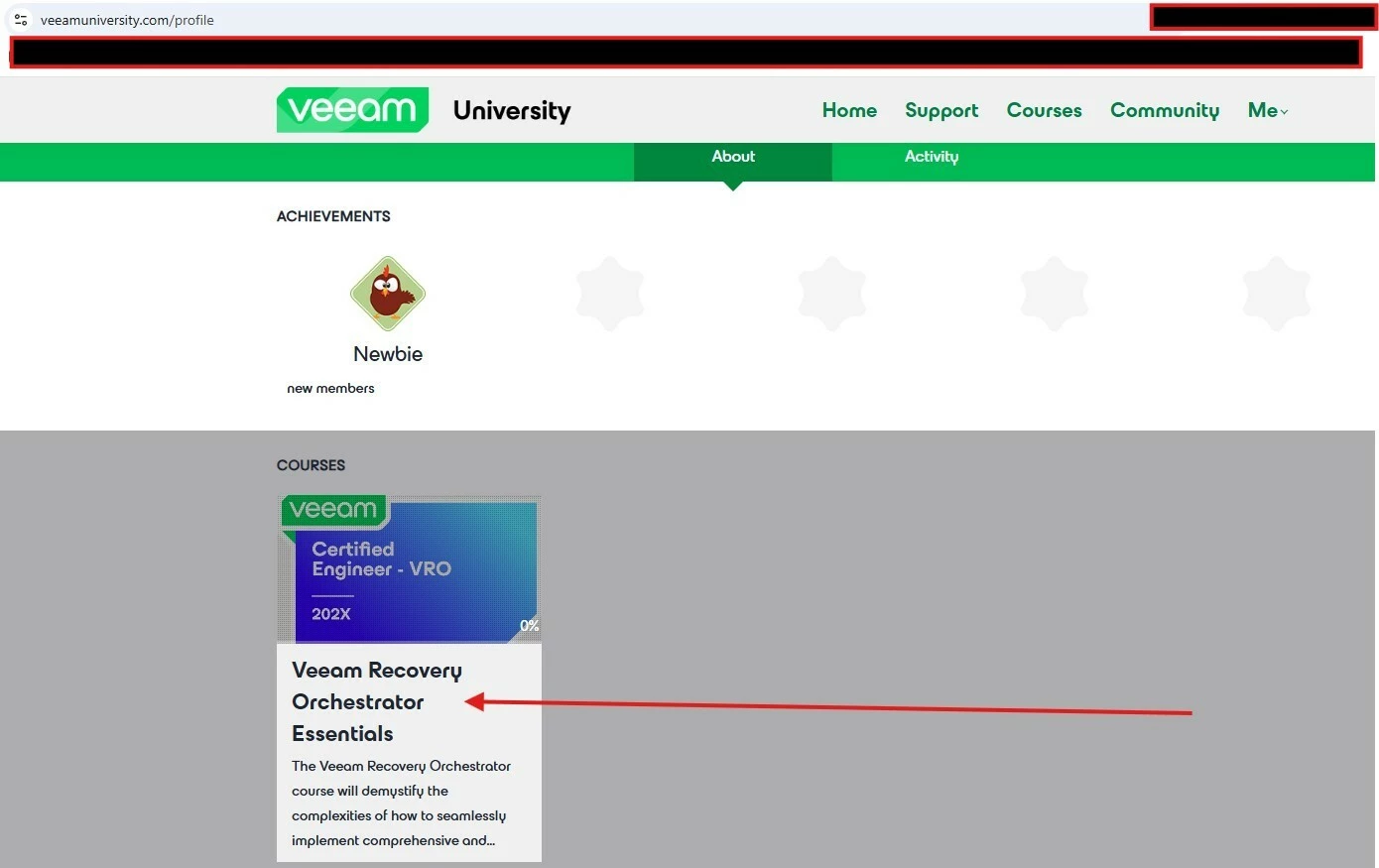
Recently, some of us had the privilege of receiving an invitation to participate in the Veeam ONE or Veeam Recovery Orchestrator Essentials training course. I don’t take this opportunity lightly and am genuinely grateful to
I would also like to sincerely thank Tim Myers for the excellent course structure and outstanding delivery. The content was clearly organized, easy to follow, and reinforced with practical on-screen demonstrations. Absolutely amazing!
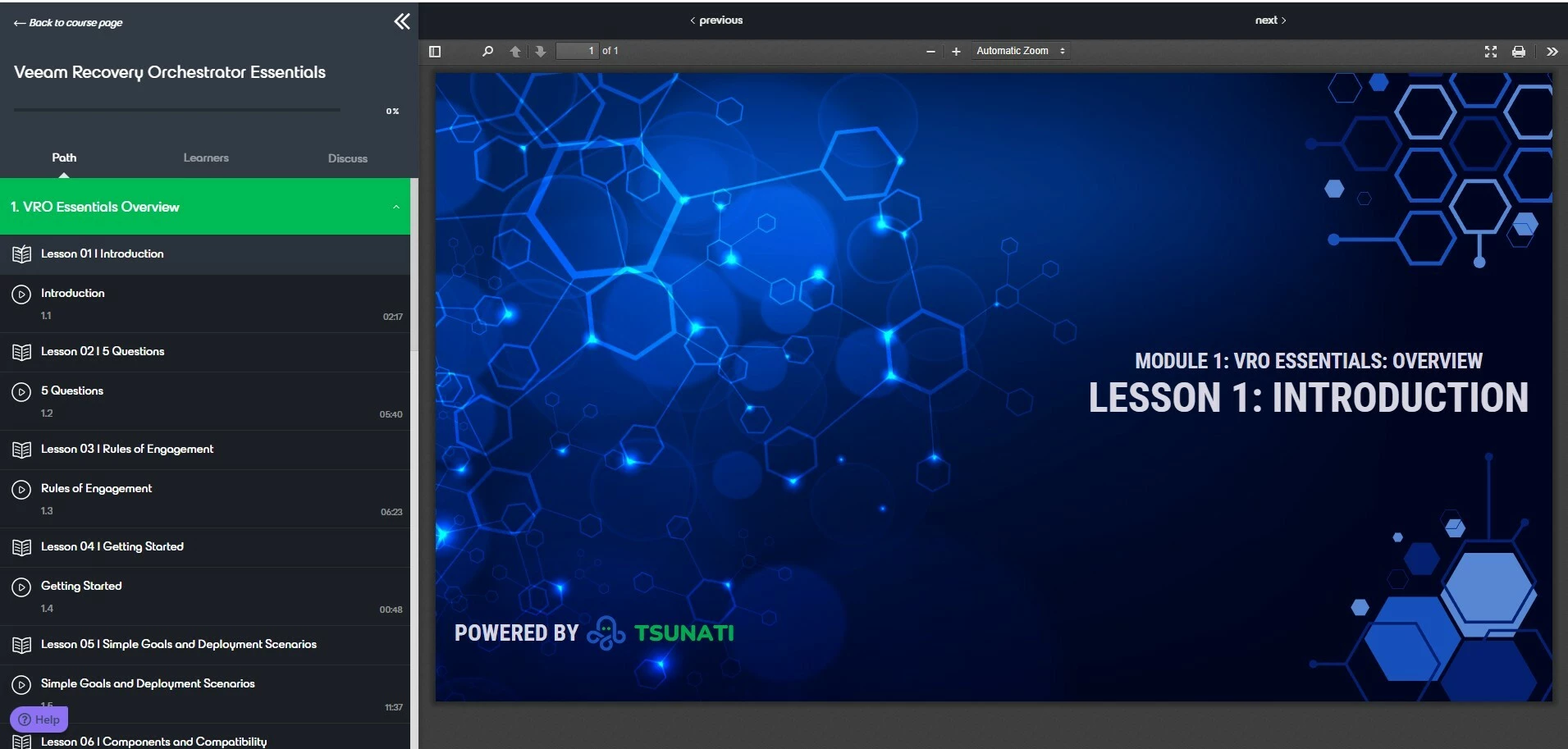
Veeam Recovery Orchestrator (VRO) extends the functionality of the Veeam Data Platform by orchestrating recovery processes, providing one-click recovery plans for critical applications and rich features for documentation and testing.
In recent times, Veeam Recovery Orchestrator (VRO) has evolved from Veeam Disaster Recovery Orchestrator (VDO), and Veeam Availability Orchestrator (VAO), reflecting its expanded capabilities and broader automation focus.
Veeam Recovery Orchestrator Architecture
The Veeam Recovery Orchestrator (VRO) server serves as the core of the solution, managing orchestration plans, administering user roles and permissions, and integrating with supporting components through a web-based interface.
Note: SQL Server is not a core Veeam component but is required for VRO as it hosts configuration data, inventory groups, and plan definitions via Veeam ONE

Veeam Recovery Orchestrator (VRO) defines specific user roles for managing recovery operations and four main recovery locations as targets for orchestrated recoveries.
For the rest of this blogpost, see “Deploy Veeam Recovery Orchestrator and Agents to VBR and VEM”.