



A powerful presenter does not only prepare a topic, a powerful presenter prepares for the people in the room.
That is a big difference.
You can have a great story, a strong slide deck, beautiful demos, and deep knowledge. But if you do not understand who is sitting in front of you, your message might still miss the target.
For me, knowing your audience is one of the most important parts of being on stage.
Before I speak, I want to know who is there.
- Are they technical?
- Are they business oriented?
- Are they below the powerline or above the powerline?
- Are they C level, architects, engineers, administrators, partners, customers, potential customers, colleagues, or a mix of all of them?
- Are they beginners?
- Are they experts?
- Are they from one company or many different companies?
- Are they there because they wanted to attend, or because someone else told them to be there?
That last one matters too.
Sometimes people are not really volunteers. They are volunteered by someone else.
And that changes the energy in the room.
The audience decides how the story should land
I come from an infrastructure background, but I speak to many different audiences.
That means I cannot tell every story in exactly the same way.
A technical audience might want details. They may want architecture, design decisions, examples, lessons learned, things that worked, and things that went wrong.
A business audience might want outcomes. They may care more about risk, value, time, cost, complexity, and why something matters.
Executives may want clarity and direction.
Engineers may want depth.
Partners may want positioning.
Customers may want confidence and practical answers.
A mixed audience needs all of that, but carefully balanced.
That is why I always try to understand the audience before I speak. The more I know, the easier it is to make sure everyone receives something valuable.
I sometimes call that giving one gem to every group in the room.
If you have technical people, give them something technical.
If you have business people, give them something they can use.
If you have decision makers, give them something that helps them understand why the topic matters.
If you have beginners, do not leave them behind.
If you have experts, give them at least one thing that makes them think.
That is how you build trust with a mixed audience.
It starts with the title and abstract
Knowing your audience starts before the event.
That is why I like to write the title and abstract myself when possible.
The title creates expectations. The abstract sets the promise.
If the title and abstract do not match the actual story, the audience starts with one expectation and receives something else. That can create disappointment, even if the session itself is good.
If people attend a thought leadership session, they expect vision, direction, and ideas.
If they attend a solution session, they expect practical value.
If they attend a technical session, they expect depth.
If they attend a customer story, they expect real life experience.
So before you step on stage, ask yourself:
What did the audience think they were signing up for?
What promise did the session description make?
Am I going to deliver on that promise?
That is not marketing. That is respect for the audience.
Know the room before you own the room
I also want to know the room.
Is it a theater setup?
Is it a small room?
Is it a big keynote space?
Are people sitting at tables?
Is it a roundtable?
Is it a panel?
Is it a breakout session?
Is the stage high or close to the audience?
Can I walk around?
Where are the screens?
Where is the timer?
Where is the technical team?
All of that matters.
The room influences how you move, how you speak, how you connect, and how much energy you need to bring.
A small room can feel intimate.
A large room can feel powerful but distant.
A theater setup can create focus.
Round tables can create conversation but also distraction.
A high stage can give authority, but it can also create distance.
If you know the room, you remove surprises.
And as I mentioned earlier in this series, surprises will still happen, but the more you prepare, the better you can handle them.
Talk to the audience before the session
If possible, I like to talk to people before the session starts.
Not as a trick.
Not because I need attention.
But because I want to understand what is on their mind.
What are they interested in?
Why did they come?
What are they struggling with?
What are they hoping to hear?
Sometimes one small conversation before a session gives you a golden connection point during the presentation.
You can say, “I spoke with someone earlier who mentioned this challenge,” and suddenly the session feels more real.
It tells the audience that this is not just a fixed broadcast. It is happening here, with them, in this moment.
Of course, talking before the session is not always possible.
Sometimes the room is too big. Sometimes people come in late. Sometimes the event schedule is tight.
In that case, I scan the room before I go up.
And if even that is not possible, I walk on stage and take thirty seconds to get into the moment and read the room from there.
That pause is not wasted time!
It helps me breathe.
It helps me focus.
It helps me understand the energy.
It helps me arrive.
Find friendly faces
Especially when you are just starting, it helps to have people you trust in the first or second row.
Ask them to support you. A friendly face can make a big difference.
When you step on stage and see someone you know, someone who wants you to succeed, it can calm you down. It gives you a safe place to look when the room feels large or unknown.
That does not mean you only speak to that person. But it helps you start.
And once you start, the room becomes less scary. The audience becomes people.
And people are much easier to speak with than a dark unknown crowd.
Read the audience while delivering
I always start with my story. But I also read the audience while I deliver it.
Sometimes I read them non verbally.
Are they leaning forward?
Are they looking at the screen?
Are they looking at me?
Are they smiling?
Are they whispering to each other because they are excited?
Are they whispering because they are lost?
Are they looking tired?
Are they checking their phones?
Sometimes I read them verbally.
I ask a question. I listen to how they respond.
I feel the energy.
Then I adapt.
That is why the same slide deck can be delivered completely differently depending on the room.
The slides may be the same, but the performance is not.
I can slow down.
I can speed up.
I can raise my voice.
I can lower my voice.
I can pause for thirty seconds after showing a slide.
I can tell an extra story.
I can skip a detail.
I can go deeper.
I can change the rhythm.
That is the beauty of presenting live.
You are not only delivering content.
You are having a conversation with the room.
A small moment can open the room
At the last VeeamON Tour in the Netherlands, something happened just as I was about to start.
A guy stood up and left the room.
So I joked about it.
Something like, “Well, that is a bad start.”
People laughed.
And I could see the room change.
People relaxed. They slid down a little in their chairs. Their faces changed. It felt like they were thinking, okay, this might become an interesting session.
That moment helped break the ice.
Not taking yourself too seriously can help a lot.
But be careful.
When you make a moment like that work, it also raises the bar.
The audience now expects that the session will be fun, alive, and worth their time.
As someone once said, with great power comes great responsibility.
That also applies on stage.
If you invite people into the story, you need to deliver.
You never tell everything you prepared
Sometimes presenters are afraid they will forget something.
I always tell them this.
You prepare one hundred percent, but maybe you only tell twenty five percent.
And that is okay.
The audience does not know what you did not tell them. They only experience what you do tell them.
A strong twenty five percent delivered with energy, clarity, and connection is much better than rushing through one hundred percent and overwhelming everyone.
Do not make the mistake of thinking that more information always means more value.
Sometimes the most powerful thing you can do is choose what not to say.
That is part of knowing your audience too.
What do they need now?
What can wait?
What is useful?
What is too much?
What will help the story land?
When you misread the audience
Misreading the audience happens.
Especially in the beginning.
You think the room will be technical, and it turns out to be business focused.
You think people are beginners, and they are experts.
You think they know the basics, but they do not.
You think they want interaction, but they want to listen first.
In my early days, that happened more often. These days, I feel like I have developed a sixth sense for it, but I still never assume I am right.
When I notice the room is different from what I expected, I adapt.
I might change how long I stay on certain slides.
I might skip deep technical detail.
I might add more business context.
I might explain a concept more simply.
I might ask the audience where they want me to go deeper.
That flexibility is important.
Your plan matters, but the audience matters more.
Quiet does not always mean disconnected
A quiet audience can be difficult.
Sometimes silence means people are bored.
Sometimes silence means they are shy.
Sometimes silence means they are tired.
Sometimes silence means they are thinking.
And sometimes silence means they are deeply engaged.
You need to be careful not to assume too quickly.
I had a session in Finland before Covid in a TV studio with around one hundred fifty people. Everyone was dead silent. I could not read the room at all. Then, about ten minutes after I started, a lady came in and sat down. She started reacting to me, and honestly, that was a relief. Finally, I thought, some interaction.
But then people gave her angry looks, and she stopped. That was the moment I realized something. They were not disconnected. They were listening. They were following the story silently, with very little visible reaction.
After the session, my colleague Janne told me, “People really loved it. Best session ever.”
I was surprised and stunned.
Later, we went to a bar with some of the customers. That is where they opened up. They started asking questions and giving feedback. I could read them again.
That was a big lesson.
Culture matters.
Room energy matters.
Event type matters.
And silence does not always mean people are not interested. Sometimes silence is respect. Sometimes silence is concentration. Sometimes silence is cultural.
So never assume. Verify where you can.
How to open a quiet audience
If the audience is not engaging, do not keep forcing questions.
That can make things worse.
Instead, use your body language to help them relax.
Tell something personal.
Share a small story.
Show that you are human.
Ask for help.
That is one of the most powerful things you can do.
Most people are wired to help if you ask in the right way and if your story is honest.
I often ask the audience if it is okay to ask them a few questions so I can understand them better and make the story more useful for them. That changes the feeling.
Now they are not being tested. They are helping shape the session. They become part of the story.
An interactive audience is a gift
I love a highly interactive audience.
When people ask questions, laugh, respond, challenge, and share their own stories, the room becomes alive.
If someone in the audience has a story that fits the topic, I may let them share it.
That can be one hundred times stronger than me telling another example.
When the audience hears a story from someone sitting among them, it creates trust. It becomes real. It becomes shared.
But you also need to keep control.
If a question goes too far off topic, I might say:
“That is a great question, and we can go really deep on that. But I do not know if the rest of the audience is up for that right now. Should we take it over coffee after this session? Anyone interested can of course join us.”
That way, you respect the person asking. You respect the rest of the audience. And you keep the session on track. You park the topic without killing the energy.
Sometimes the slides become less important
I am fluid and curious by nature.
So yes, sometimes it happens that the slides become almost obsolete. The room takes the session in a direction that is more valuable than the original path. That can be powerful.
But I would not advise beginners to do this too quickly. If you are new on stage, stay closer to your structure. Park difficult or off topic questions nicely. Protect your flow. When you become more advanced, you can take more risks.
You can follow the room. You can change direction. You can turn the session into something unique.
But first, learn to drive before you start drifting through corners.
Culture changes everything
Audiences around the world are different.
Culture matters. Country matters. Region matters. Event type matters.
A roundtable is not a keynote. A panel is not a technical breakout. A customer meeting is not a community event.
A local audience is not the same as a global audience and when you are on a main stage with people from all over the world, you need to remember that the audience is extremely diverse.
That joke that always lands in one country might fail somewhere else.
Or worse, it might blow up spectacularly.
That does not mean you cannot use humor.
I love humor.
But you need to be aware.
Know your audience.
Prepare.
Be respectful.
Be careful with assumptions.
If you are not sure whether something works in a certain culture, ask someone local. Ask the event team. Ask a colleague. Ask the organizers.
That small check can save you from a BIG mistake.
Never assume you know the audience
This may be the most important lesson in this part.
Never assume you know the audience.
Verify when possible.
Ask the event organizers.
Ask people before the session.
Ask the technical staff.
Yes, even the technical staff.
Remember what I said before: make friends with the tech team. They can make or break you.
They often know the room better than anyone. They have seen other sessions. They know if the audience has been quiet all day, if the room has technical problems, if people are tired, if the timing is tight, if something strange happened before your session.
And when they do an awesome job, thank them.
If they let you shine without interruption, be grateful.
A great session is not only created by the person on stage.
It is created by everyone around the stage too.
We all started somewhere
Another mistake presenters make is assuming the audience is all on the same level.
They are not.
We all started somewhere.
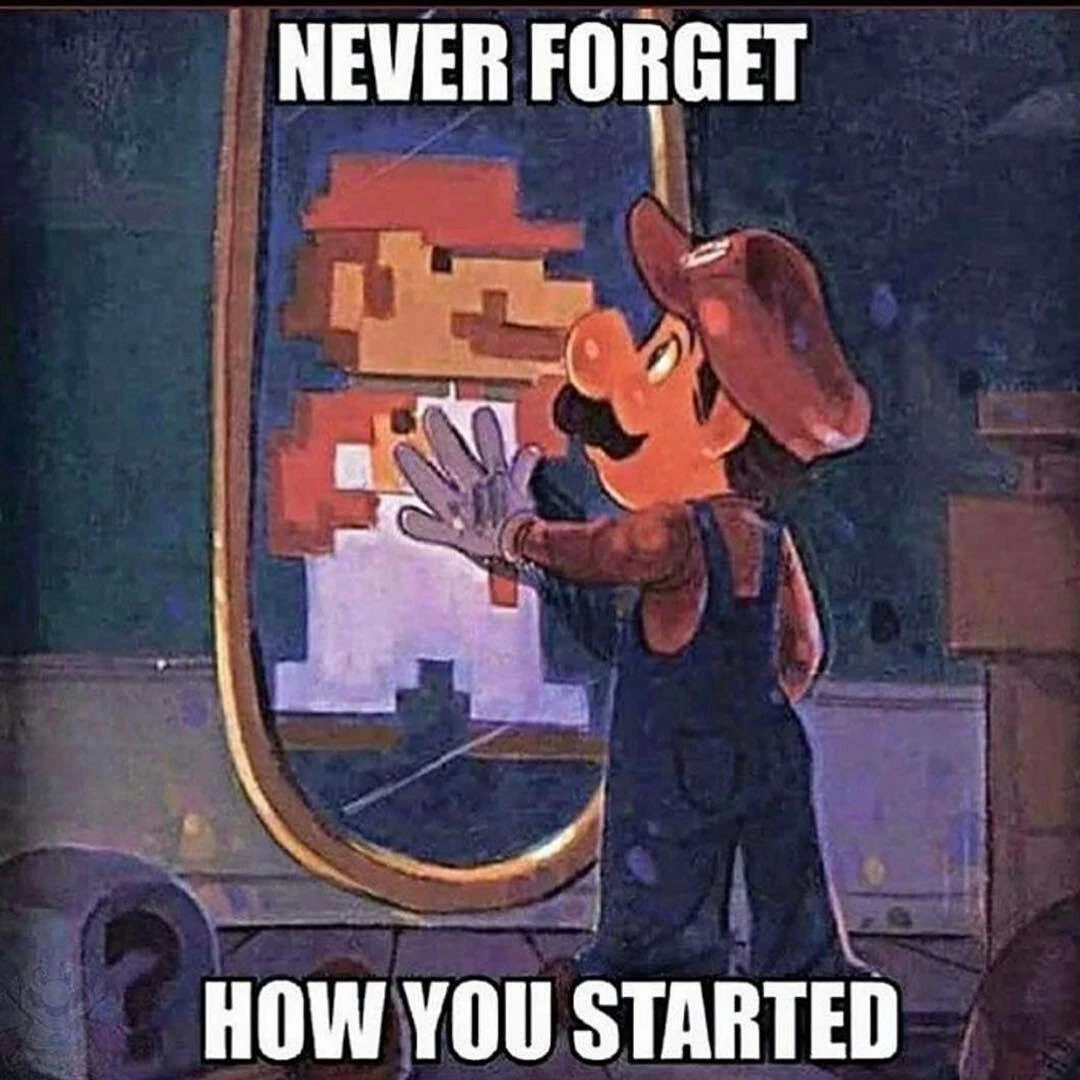
Just like becoming a powerhouse on stage is a journey, understanding a topic is also a journey.
Some people in the room may know the basics.
Some may be experts.
Some may be hearing the topic for the first time.
Some may be afraid to ask questions because they think everyone else already knows.
Do not leave those people behind.
Ask if something is unclear.
Watch the room.
If you see confusion, slow down.
If you see excitement, build on it.
If you hear whispers, try to understand why.
Whispers can mean people love the topic and are discussing it.
They can mean people are bored.
They can also mean someone is asking a neighbor to explain something.
Read the room. It will help you decide what to do next.
Make the audience part of the journey
For me, the first row is always dangerous.
In a good way.
If you sit in the first row, there is a good chance you become part of the session.
But I always try to do this respectfully.
If I speak with someone before the session and they share something interesting, I may ask privately if I can use it during the presentation. Sometimes I mention them by name. Sometimes I do not. That depends on the person and the moment.
The goal is not to embarrass anyone.
The goal is to make the room feel alive.
I use humor.
I use observations.
I use personal stories.
I use what happens in the room.
I use verbal and non verbal signals.
I try to make people feel that we are building the moment together.
That is what storytelling is about.
You are not just sending information into the room.
You are inviting people into the journey.
Do not be afraid to share something personal
If you want to grow as a presenter, do not be afraid to share something about yourself.
Many people think, “Nobody wants to know that.”
You might be surprised.
People connect with people.
They may come for the content, but they remember the human connection.
A personal story can make a complex topic easier to understand.
A small failure can make you relatable.
A real experience can make your advice more believable.
A moment of honesty can open the room.
Of course, the personal story should support the message. It should not become only about you.
But when used well, personal experience is one of the strongest tools you have.
The key lesson
If readers remember only one thing from this part, I would say this:
Never present to an imaginary audience. Present to the real people in the room.
Do not assume you know them.
Learn about them.
Talk to them.
Read them.
Respect them.
Adapt to them.
Make them part of the journey.
Because a powerful presenter does not simply walk on stage to deliver a message.
A powerful presenter walks on stage to create a connection.
And that connection starts before you speak.