

Mindset is key.
You can have great slides. You can know your content. You can have the best story in your head. But if your mindset is not right before you step on stage, the audience will feel it.
For me, the mindset of a powerful performer starts with one question.
How can I serve the audience?
That is always where I try to begin. Not with myself. Not with my nerves. Not with what people might think about me. But with the people in the room.
What do they need from me?
How can I help them?
How can I make this useful, memorable, and enjoyable?
And yes, let me say it again.
Let me entertain you.
In a good way.
Because presenting is not only about transferring information. It is about presence. It is about commitment. It is about energy. It is about making people feel that the time they spend with you is worth it.
That takes mindset.
And that takes practice.
Great performers make it look easy
One of the things I discovered over the years is that the best performers often look like they do not need to practice.
But that is exactly the trick.
They practiced so much that it looks natural.
They rehearsed the story. They tested the rhythm. They tried different ways of opening. They worked on their voice. They repeated the flow again and again until it became part of them.
That is why the audience sees freedom instead of effort.
A powerful performer is not someone who walks on stage unprepared and magically becomes brilliant. A powerful performer is someone who prepared so well that they can be fully present in the moment.
That is an important difference.
Preparation gives you freedom.
Practice gives you confidence.
Repetition gives you room to play.
Mindset starts before the presentation
Preparation is not only preparing slides.
It is not only knowing the story.
It is also preparing yourself:
Your body.
Your voice.
Your face.
Your breathing.
Your energy.
Your focus.
Before going on stage, I do exercises with my body, face, and mouth. I practice articulation. I play with my voice. I raise it. I lower it. I change the rhythm. I see my voice as an instrument.
Because that is what it is.
Your voice can create tension. It can create calm. It can create excitement. It can slow people down. It can wake people up. It can make a technical subject feel alive.
But only if you use it consciously.
That is part of the mindset too.
Being aware.
Being in the moment.
Being ready.
My mental switch before going on stage
Before I step on stage, I try to switch my mind to a different place.
In my head, I go to a beach.
I imagine enjoying the sun and meeting someone special I have not seen for a long time. We are about to have an awesome conversation. Unexpected, fun, curious, and maybe a little strange.
That feeling helps me.
It reminds me that the stage is not a battlefield. It is a conversation.
A big conversation, yes.
Sometimes with ten people. Sometimes with hundreds. Sometimes with a main stage audience.
But still a conversation.
I calm myself by controlling my breathing. I often talk to people before the session because it helps me understand the energy in the room. I listen to what is on their mind. I ask questions. I try to find out what is interesting to them now.
Then, when I can, I connect those dots during the presentation.
If someone said something interesting before the session, I might bring that topic or feeling into the story. Not forced. Not as a trick. But because it makes the session more relevant and more alive.
Then, about one minute before going on stage, I shut myself down from the outside world.
That is my moment.
I prepare physically and mentally.
The energy starts flowing.
And then I remind myself of something very important.
Enjoy!
Connecting before you even start
Sometimes I am already on stage before the official start. In that moment, I like to talk to the people in the first row.
I always tell people that if they sit in the first row, they might become part of the story.
In a good way.
This helps break the distance between the presenter and the audience. It makes the room feel less cold. It creates a connection before the presentation officially begins.
That connection matters.
Because the audience should not feel like they are watching someone perform at them. They should feel like they are part of the experience.
A good mindset is not only internal. It also reaches outward.
You need to be curious about the room.
Who is here?
Why are they here?
What do they care about?
What challenges do they have?
What kind of energy are they bringing?
That curiosity helps you connect.
Confidence and arrogance are very close together
There is a very small line between confidence and arrogance.
I learned that the hard way.
Sometimes it is verbal. For example, saying something like, “I know something, but I am not allowed to tell you.”
Please do not do that.
It sounds interesting for maybe two seconds, but it gives the audience nothing. It does not help your story. It does not give value. It can even create distance between you and the people in the room.
But often, arrogance is not in the words.
It is non verbal.
It is in the way you stand.
The way you move.
The way you use your hands.
The way you look at people.
The way you take the stage.
That is why self awareness is so important. You might feel confident inside, but the audience might receive it as arrogance if your body language is closed, careless, or too dominant.
We will dive deeper into posture and movement later in this series, but one simple example is what you do with your hands.
If you present with your hands in your pockets, it can look too relaxed or disconnected. If you talk with your hands like I do, keep them visible and useful. I try to keep my hands above my waist, open, and intentional.
Open hands can invite people into the story.
Closed or careless gestures can block them.
That is mindset too.
Because how you think affects how you stand.
And how you stand affects how people receive you.
What should you focus on first?
A presenter needs to focus on many things.
The story.
The delivery.
The posture.
The audience.
The timing.
The energy.
The room.
That can feel overwhelming, especially in the beginning.
So I compare it to learning how to drive.
When you first learn to drive, you cannot focus on everything at once. Steering, mirrors, pedals, signs, traffic, speed, directions, it is too much. So you learn step by step.
Presenting works the same way.
If you are new on stage, start with the story.
Know what you want to say.
Know why it matters.
Know where you are going.
Then focus on the delivery.
How do you bring the story alive?
Then focus on posture.
How do you stand, move, and use your body?
Then focus more deeply on the audience.
How do they react?
Where is the energy?
Do you need to slow down, speed up, explain more, or create interaction?
Over time, these things start to come together. But in the beginning, do not try to master everything at once.
Start with the story.
Then build from there.
Preparation calms the nerves
Preparation should never be overlooked.
For every minute I present, there is normally between fifteen minutes and one hour of preparation behind it.
That might sound like a lot.
But preparation is what helps you calm your nerves. Especially in the beginning.
When I work with people who are new on stage, I often tell them this:
You prepared. You know your stuff. Now go out, shine, and most of all, have fun.
That last part is important. Have fun.
If you are only trying to survive, the audience will feel that. But if you allow yourself to enjoy the moment, something changes. You become more open. More alive. More connected.
I am a very visual person. I picture everything.
I visualize getting on stage.
I visualize being on stage.
I visualize the opening.
I think about what I want to include.
I think about what I might drop if time is short.
I know the flow.
And I always watch the time.
Respect the time
One lesson that really stayed with me came from Rick Vanover.
He told me that whatever you do, be thoughtful of the next presenter, the audience, the technical people, and yourself.
Stick to the time ⏳
I was already mostly doing that, but after that moment, it became almost a sport for me. I try to end as close as possible to the time set, without overrunning.
That is also part of mindset.
It is not only your stage.
It is not only your session.
There are other presenters. There is a schedule. There are people behind the scenes. There is an audience that trusted you with their time.
Respect that.
A powerful performer does not only command the stage.
A powerful performer respects the stage.
The VeeamON Miami main stage moment
I still remember VeeamON in Miami in 2019.
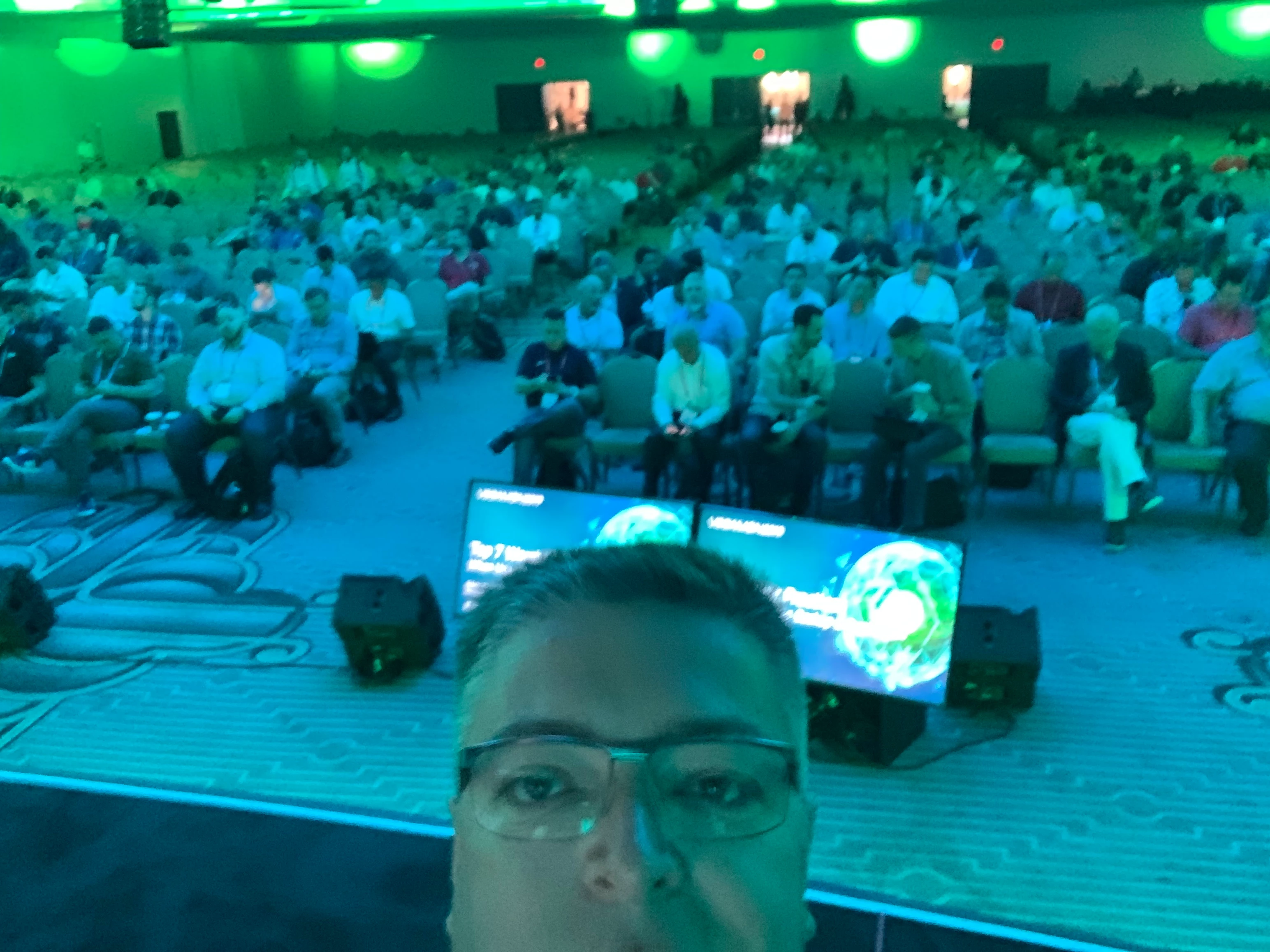
I was scheduled to do a session called “Top 7 Worst Practices When Using Veeam Backup & Replication.” It was planned for a breakout room.
That evening, I was having a drink with some customers when Rick came over to me and said, “I have a problem with your session.”
That triggered me immediately.
I thought, okay, what is wrong?
Then he told me that too many people wanted to see the session and it would not fit in the room.
So I would be moved to the main stage, just before the overall keynote.
That was scary. Interesting. Thrilling.
All at the same time.
I put my glass down and switched to soda right away.
In my head, I was already preparing.
The next day, I went early to the main room. I met the technical support and audio video teams. I made new friends there, which is always important.
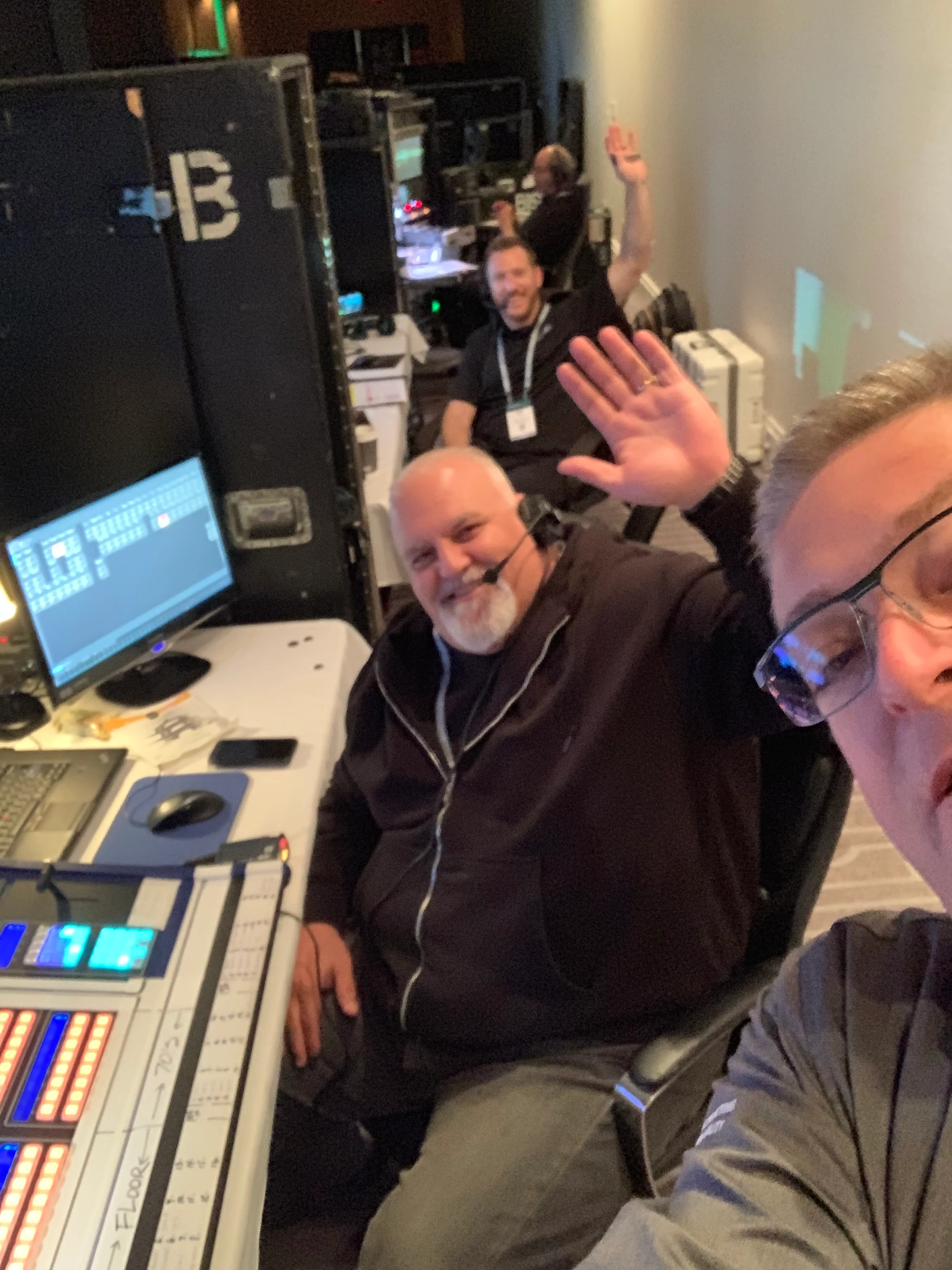
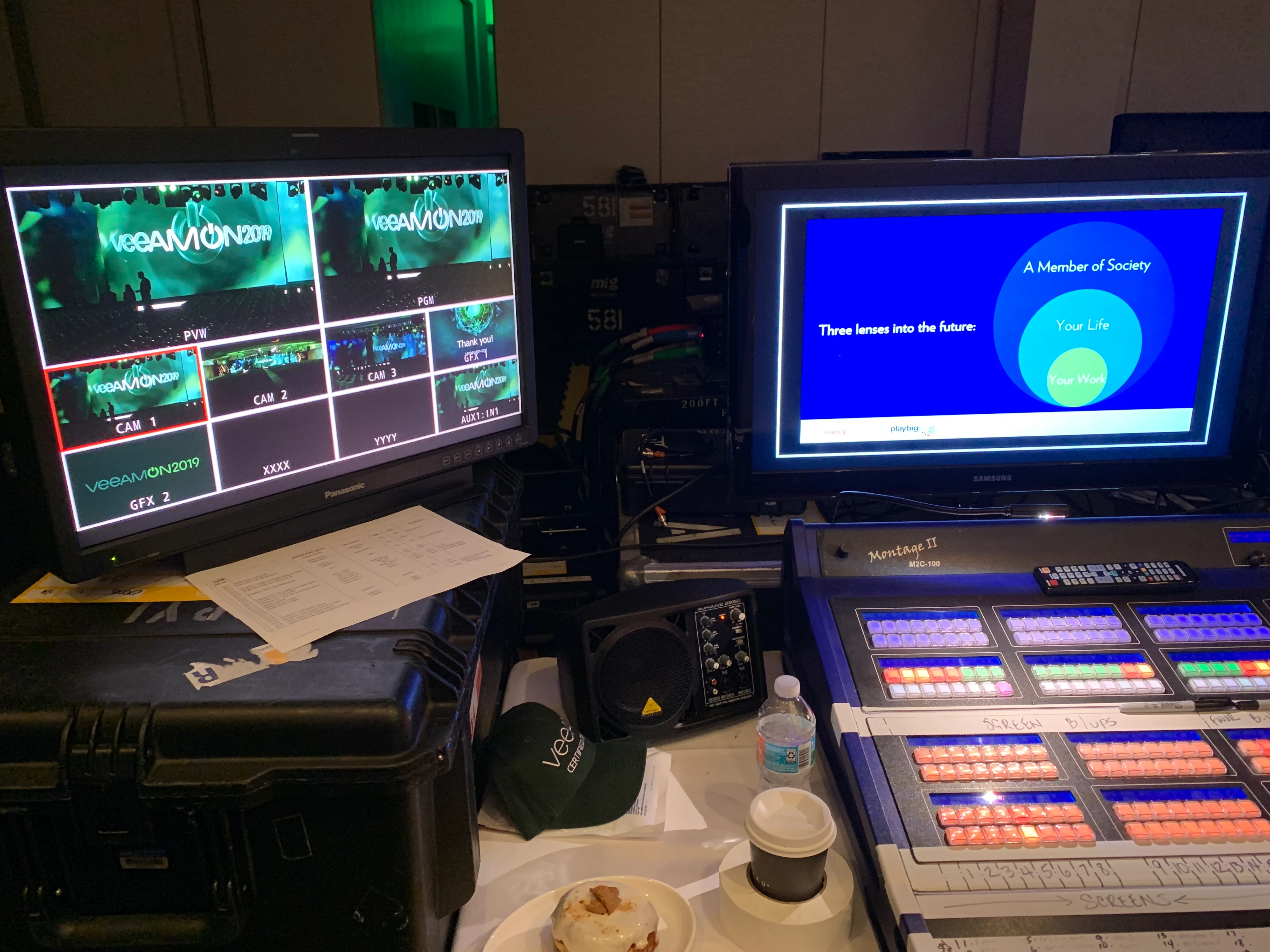
They told me that the two big screens next to the main screen were in maintenance and repair mode, so they would not be used. Only the middle screen would show the presentation.
Okay, clear.
Then, during my presentation, I turned around.
And suddenly both big screens were on.
With me on them.
VERY BIG.
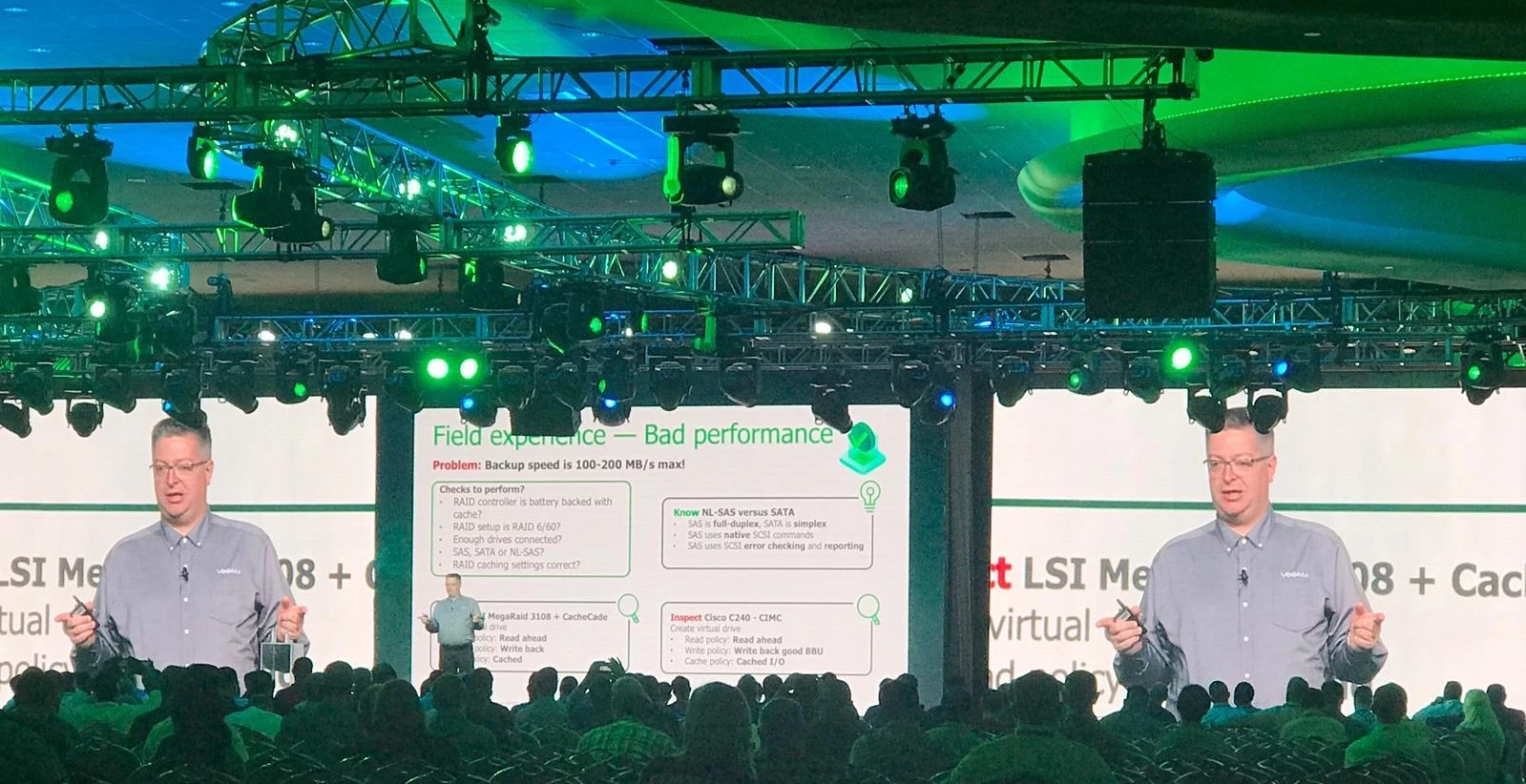
If you have seen the recording, you can see me pause for around twenty seconds.
I was baffled.
Scared.
Surprised.
That was a real moment of fear.
But then I grabbed myself, turned back around, and continued.
The audience loved it.
I loved it.
And I think Rick loved it too, because I delivered what I promised with eight seconds left on the clock.
That moment gave me a giant rush.
It gave me even more taste for main stage performance.
And it taught me something important.
Expect the unexpected.
Unexpected moments can help your story
Things will go wrong.
That is not a maybe, that is a guarantee!
A screen might fail. A microphone might stop working. Someone might interrupt. A door might slam. People might be distracted. Something strange might happen in the room.
And sometimes, that unexpected moment can make your session even better.
If a pigeon suddenly walks through the hallway and everyone sees it, make it part of the story if possible. If people are distracted by something, mention it. Take a pause. Let everyone join the moment. Then continue.
Even a simple “bless you” when someone sneezes can break the ice.
People laugh.
They relax.
And that is what you want.
You want people to feel relaxed and open. When they feel that, they will answer your questions from the stage. They will work with you. They will help create the best possible time together.
A live audience is not a problem to control.
It is energy to work with.
When everything went dark in Iceland
I once had a session in Iceland where the power went out.
I was standing on a high theater stage. The audience was sitting at round tables. Suddenly, no slides. No microphone. No normal lights. Only the small lights on the tables and one emergency spotlight still working on stage.
I had to think fast.
There was no solution yet. No clear timeframe. No one could tell me when everything would be fixed.
So I changed the session.
I sat down on the edge of the stage with my legs hanging over it and asked people to move closer.
Fortunately, I have a loud voice.
So that part was solved.
Then I continued the story in a very cozy setting. It almost felt like sitting around a fireplace, telling war stories.
Halfway through, the lights came back on.
But by then the moment had changed.
Everyone asked to dim the lights again, shut down the screen, and continue like this.
That is one of the best examples of mindset.
You can panic.
Or you can adapt.
You can see the problem.
Or you can see the opportunity.
The danger of being too relaxed
I also had a mindset failure.
One time, I was not nervous at all.
That should have been a red flag 🚨
Now I know that. At that moment, I did not.
I was too relaxed. Too comfortable. Not focused enough. I started joking too much. I lost the audience.
And I crashed and burned. 💥
That one was not pretty.
Now, when I do not feel nervous or do not have that itchy feeling in my gut, I know I need to bring myself more into the zone. I need to prepare for performance. I need to wake up my focus.
Nerves are not the enemy.
Lack of focus is.
I am there to entertain, teach, share, and learn
I like to explore things.
I am always curious.
For me, connecting with people means understanding what makes them tick. What challenges do they have? How do they have fun? What do they enjoy? What is their agenda? Why are they in this session?
I am there to entertain first.
Then to teach.
Then to share.
But also to learn.
That is important. A presenter should not only transmit. A presenter should also receive.
I give energy. And when I receive energy back, I start charging. Then I give even more back to the room.
That is when a session becomes more than a presentation.
It becomes a shared experience.
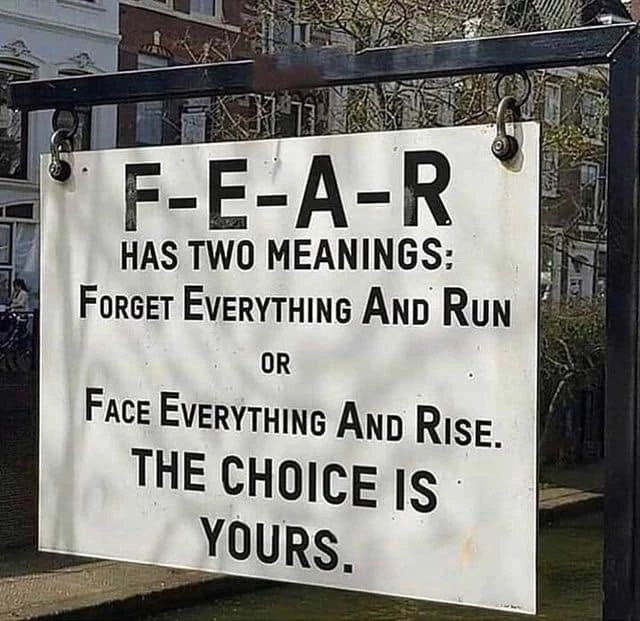
Fear is not bad
If there is one thing I want people to remember from this part, it is this.
Fear is not bad, Nerves are not bad, Unexpected moments are not bad.
They can all become part of the performance if your mindset is right.
The goal is not to be fearless.
The goal is to be prepared, aware, flexible, and ready to use the moment.
A powerful performer is not someone who controls everything.
That is impossible.
A powerful performer is someone who can stay present when things change.
Someone who can breathe, smile, adapt, and continue.
Someone who understands that the audience does not need perfection.
They need connection.
They need energy.
They need a story that feels alive.
So prepare yourself. Practice your story. Train your voice. Respect the time. Talk to the audience. Expect the unexpected. And when the nerves come, welcome them.
They might be exactly what you need to become sharp, focused, and ready.
Because the mindset of a powerful performer is not “I hope nothing goes wrong.”
It is “Whatever happens, I will use it.”