


Reflections from my MC2MC Rocket Talk – 21 May 2026
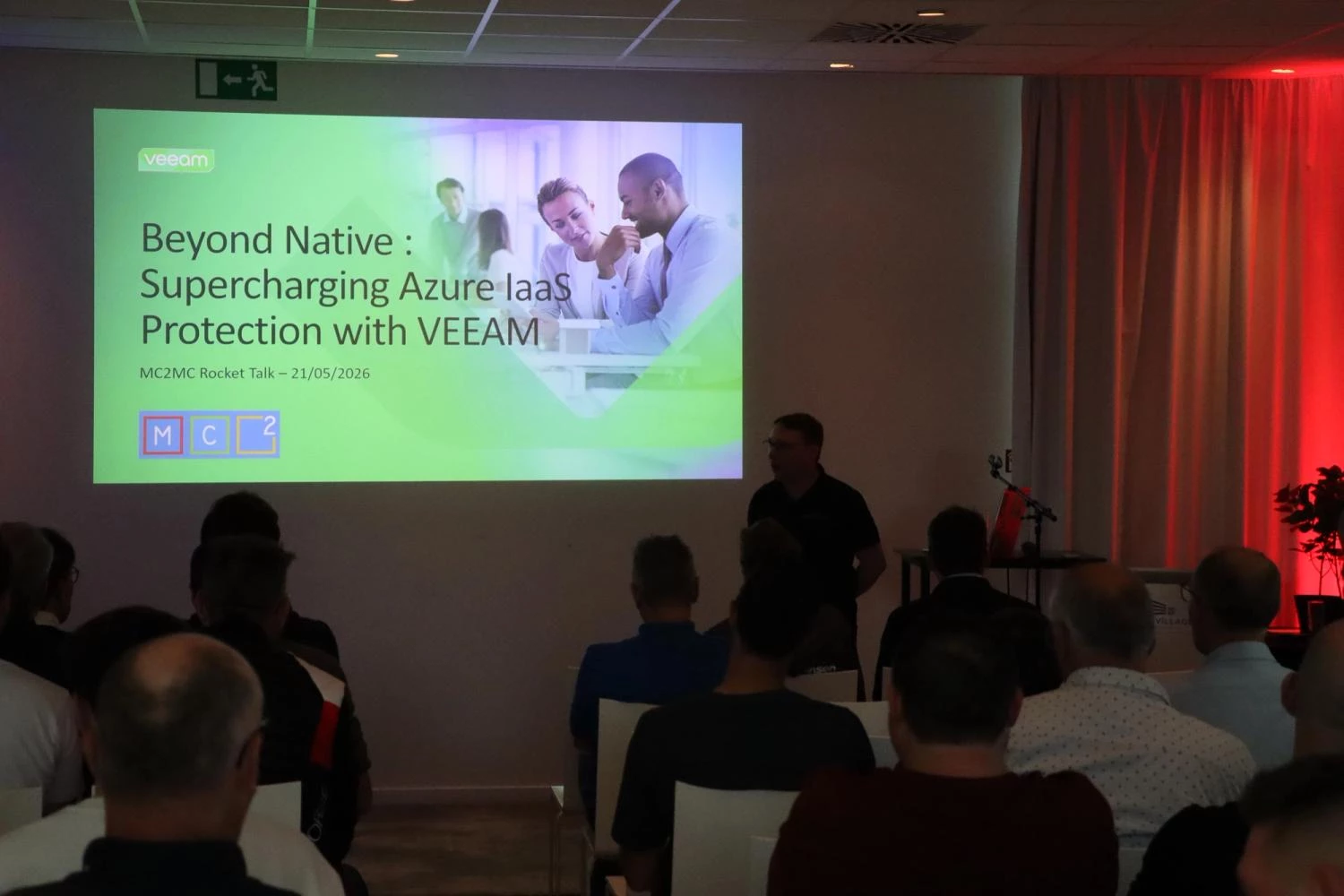
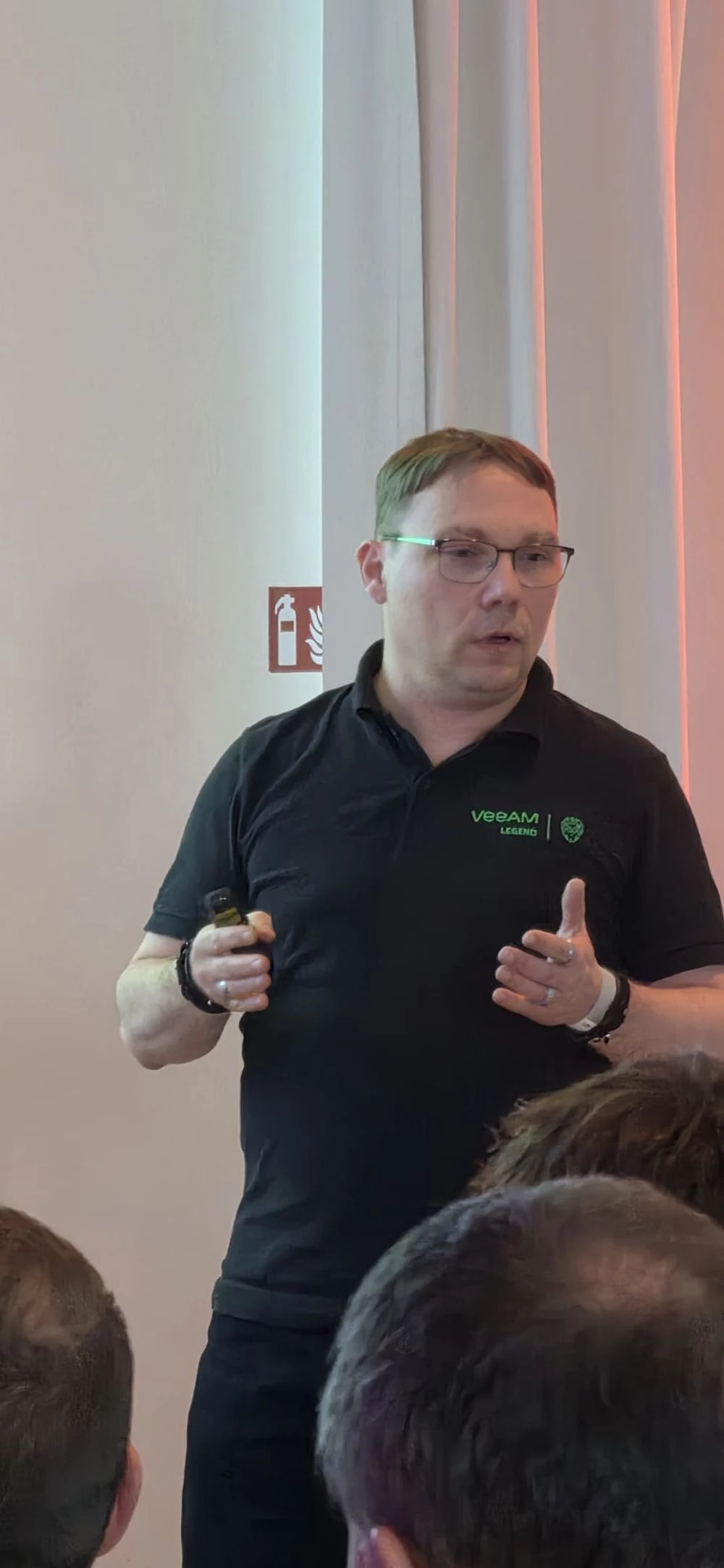
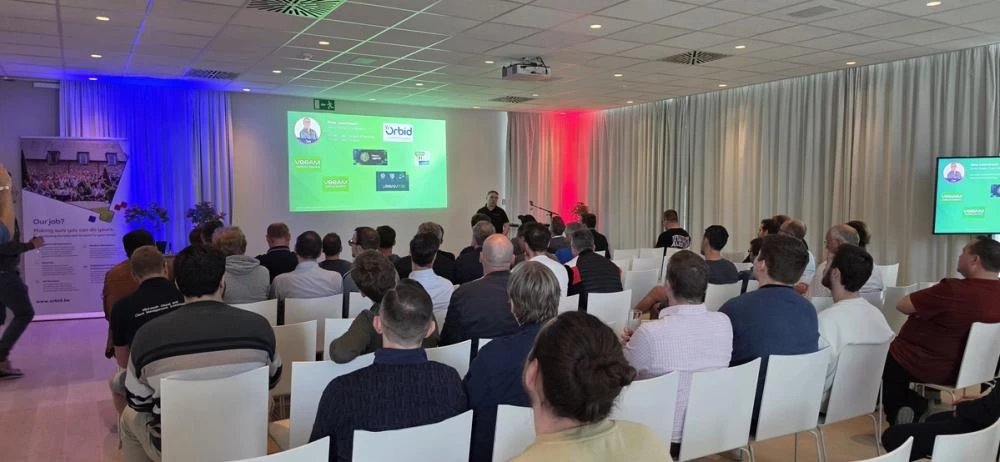
On 21 May 2026, I had the opportunity and privilege to speak at the MC2MC Community event, proudly sponsored by my company ORBID. During my rocket talk, I shared insights into a topic that is becoming increasingly critical for organizations operating in the cloud:
How can we move beyond native Azure backup capabilities to achieve true data resilience?
As more businesses migrate workloads to Microsoft Azure, protecting data is no longer just about creating backups—it is about ensuring business continuity, cyber resilience, and recovery flexibility.
Why Data Protection Matters More Than Ever
The session started with a reality check.
Today's organizations face a growing number of threats and challenges:
- 89% of ransomware attacks explicitly target backups.
- 33% of production workloads experienced unexpected outages last year.
- 82% of organizations cannot recover fast enough to meet business requirements.
- 82% cite a skills shortage as their number one IT challenge.
Data loss is no longer a question of if but when.
The real differentiator is how effectively an organization can respond when disaster strikes.
The Cost of Data Loss
The impact goes far beyond lost files:
- Revenue loss and business disruption
- Reduced employee productivity
- Compliance and regulatory penalties
- Reputational damage
- Lost business opportunities
This is why backup and recovery strategies must evolve alongside modern cloud architectures.
Understanding the Azure Shared Responsibility Model
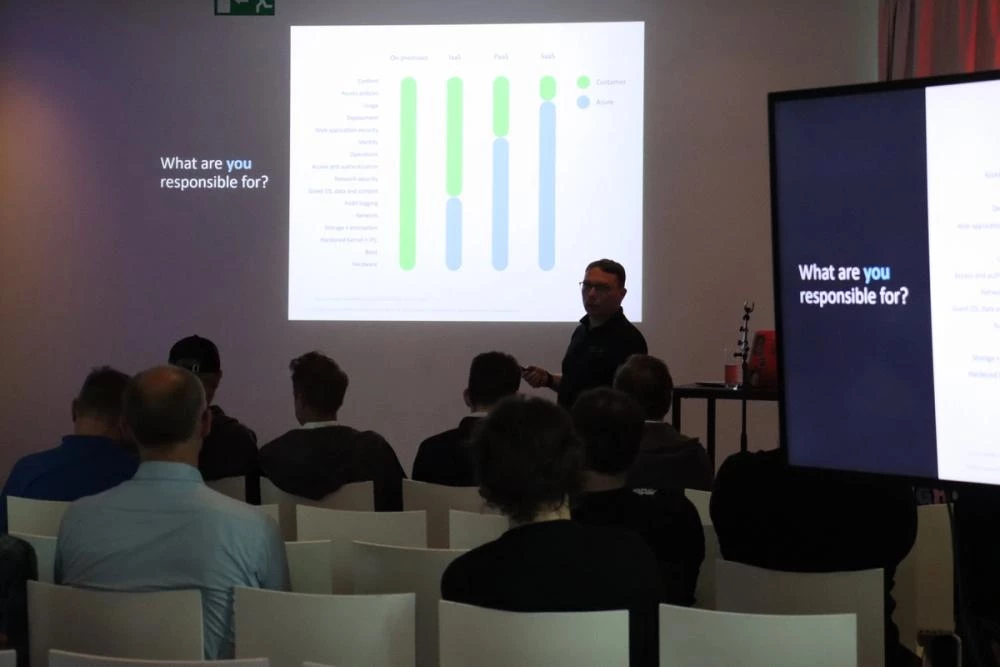
One of the most important messages of the presentation was the concept of shared responsibility.
While Microsoft Azure secures the underlying infrastructure, customers remain responsible for many critical aspects, including:
- Data protection
- Access management
- Identity security
- Configuration management
- Recovery planning
- Compliance requirements
In other words:
Azure protects the platform. You remain responsible for protecting your data.
This distinction is often overlooked when organizations assume that moving to the cloud automatically solves all backup and recovery challenges.
The Native Azure Backup Approach
Azure's native backup mechanisms are built around snapshots and platform-integrated recovery capabilities.
While these tools provide value, they also introduce several architectural limitations:
Key Challenges
- Data remains tightly coupled to the Azure platform.
- Backup formats are Azure-dependent.
- Recovery relies on Azure-specific constructs.
- Cross-platform portability is limited.
- Vendor lock-in becomes a real concern.
The Main Risk
When backups remain fully dependent on the production platform, recovery options become constrained.
You don't truly own the backup format.
This can create challenges when organizations need greater flexibility, mobility, or hybrid-cloud recovery options.
Moving from Snapshots to True Data Resilience
The core message of the session was simple:
Backup is not the same as resilience.
True resilience requires:
- Independent backup storage
- Immutable protection
- Flexible recovery options
- Cross-platform mobility
- Protection against ransomware
This is where Veeam brings additional value to Azure environments.
The Veeam Approach
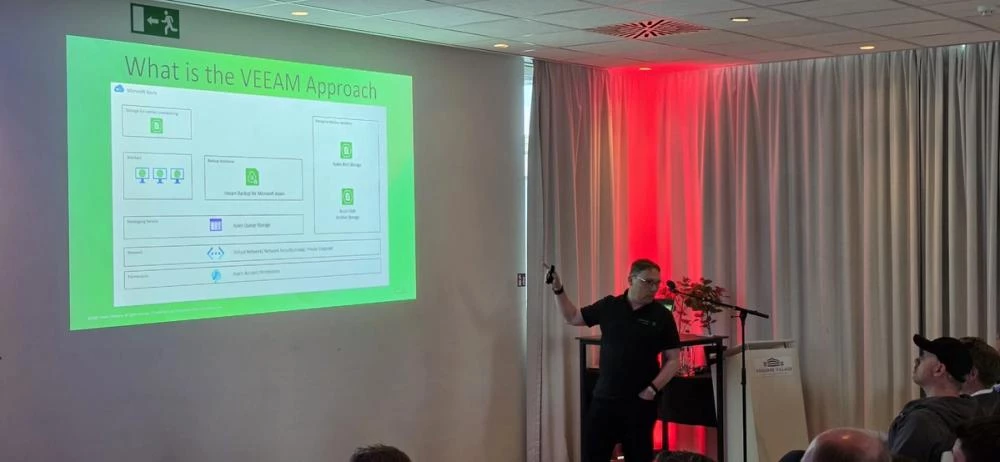
Veeam leverages Azure APIs and snapshots but transforms them into independent, portable backups.
Architectural Advantages
✅ No vendor lock-in
✅ Independent backup format
✅ Built-in compression and deduplication
✅ Storage tiering to Hot, Cool and Archive Blob storage
✅ Backup copies to on-premises environments
✅ Backup copies to other cloud platforms
The Result
You own a portable and independent backup that is not tied to a single cloud provider.
Recovery: The Moment That Matters Most
Backups are only valuable if recovery is fast, reliable, and flexible.
Veeam extends Azure recovery capabilities with:
Recovery Options
- Full VM restore
- Disk-level recovery
- Granular file-level recovery
- Application-aware recovery (including SQL workloads)
- Cross-region recovery
- Cross-subscription recovery
This allows organizations to recover workloads wherever business requirements dictate.
Recovery anywhere—not just within Azure.
Supporting Hybrid and Multi-Cloud Strategies
Many organizations no longer operate exclusively in a single cloud.
Veeam's platform enables:
- Integration with Veeam Backup & Replication
- Backup copies to on-premises repositories
- Backup copies to AWS and Google Cloud
- Consistent protection policies across environments
One Backup Strategy Across All Platforms
Rather than managing multiple backup solutions, organizations can operate from a single data protection framework.
This simplifies operations while improving visibility and governance.
Native Azure Backup vs Veeam
While Microsoft Azure provides native backup capabilities that cover many basic protection requirements, the philosophy behind Azure Backup and Veeam differs significantly.
Azure's native solution is designed to work closely with the Azure ecosystem. Backups are tightly integrated with the platform, making them straightforward to deploy and manage for organizations that operate entirely within Azure. However, this integration also means that backup data remains closely tied to Azure services and recovery mechanisms.
Veeam takes a broader approach. Rather than focusing solely on protecting Azure workloads within Azure, it creates independent backups that can be stored, moved, and restored across different environments. This flexibility becomes increasingly valuable for organizations operating hybrid infrastructures or adopting multi-cloud strategies.
Another key distinction lies in resilience. Native Azure Backup provides strong protection against common operational issues, but advanced capabilities such as air-gapped backup architectures, cross-cloud recovery, and unified protection across multiple platforms often require additional solutions. Veeam addresses these requirements through a single data protection platform designed around portability and cyber resilience.
Recovery capabilities are also an important consideration. While Azure offers recovery options for virtual machines and workloads, Veeam extends these capabilities with granular file-level recovery, application-aware restores, cross-region recovery scenarios, and the ability to restore workloads beyond Azure itself. This gives organizations greater flexibility when responding to outages, accidental deletions, or cyber incidents.
Ultimately, the choice is not necessarily about replacing Azure's native capabilities. Instead, it is about determining whether your organization requires a backup solution that extends beyond the Azure ecosystem and supports broader business continuity objectives.
For organizations that operate exclusively in Azure and have relatively straightforward recovery requirements, native services may be sufficient. For organizations seeking greater independence, stronger ransomware resilience, hybrid-cloud mobility, and unified data protection, Veeam provides an additional layer of protection and operational flexibility.
Key Takeaways
1. Freedom from Platform Lock-In
Veeam enables organizations to maintain control of their backups and move data across Azure, on-premises infrastructure, and other cloud platforms.
2. Superior Recovery Capabilities
Faster, more granular recovery options help reduce downtime and improve operational resilience.
3. Unified Data Protection
A single platform can protect hybrid and multi-cloud environments while maintaining consistent policies and visibility.
Final Thoughts
Speaking at the MC2MC Community was a fantastic experience and an excellent opportunity to exchange ideas with fellow IT professionals and cloud enthusiasts.
The discussion reinforced an important message:
Cloud adoption does not eliminate the need for backup strategy—it makes it even more important.
As organizations continue to modernize their infrastructure, the focus must shift from simply backing up data to ensuring true cyber resilience and business continuity.
Thank you to everyone who attended the session, to the MC2MC organizers for creating such a valuable community event, and to ORBID for supporting the initiative.