

Question

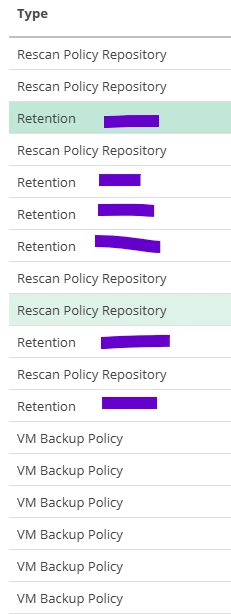
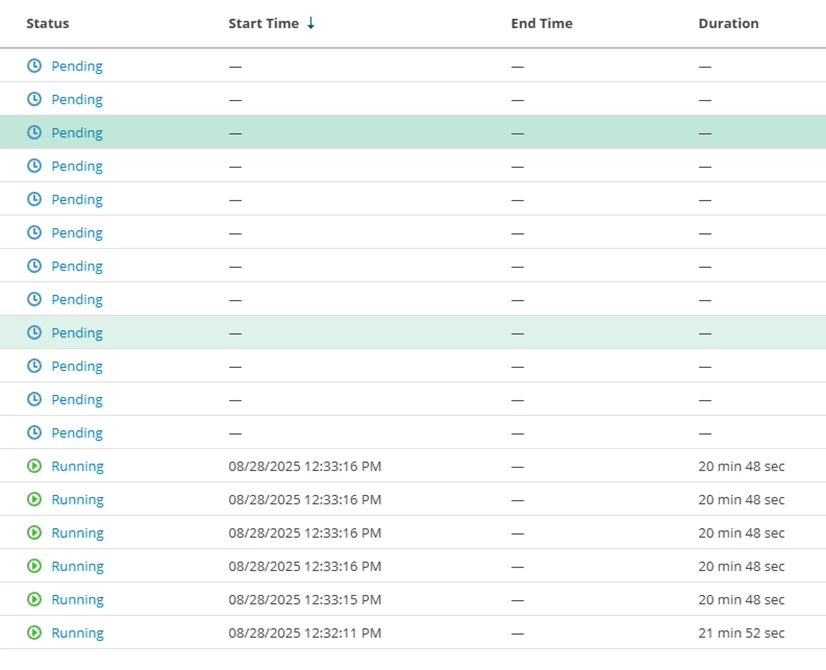
Background Retention how work?

  • August 26, 2025
  • 2 comments
  • 223 views

AndrePulia
Forum|alt.badge.img+9

Hi Community, I’m studuing the VeeamUniversity courses, and during the Onboarding for Veeam Data Platform - Step 2.4 Business considerations session, I faced a subject that I didn’t understand well. I would like to know if someone here could try to explain in a different way or using some examples.


I didn’t understand well how the “background Retentiion - https://helpcenter.veeam.com/docs/backup/vsphere/background_retention_job.html?ver=120” works. 


Thank you all!

2 comments

matheusgiovanini
Forum|alt.badge.img+9

Background Retention is an automatic Veeam process that runs in the background to clean up old restore points that were not removed by backup jobs.

Normally, the job itself enforces retention (for example: keep 7 restore points, delete the 8th oldest). But if the job stops running (because the VM was removed, the job was disabled, or it repeatedly failed), the restore points remain in the repository taking up space.

That’s where Background Retention comes in:

  • It periodically scans the repositories.

  • Identifies restore points that are already past the retention policy.

  • Removes these “orphaned” points, freeing up space.


waqasali
Forum|alt.badge.img+4
  • On the path to Greatness
  • August 28, 2025

Hi ​@AndrePulia 

Below answer based on my experience:

Background retention in Veeam runs automatically every 24 hours to clean up expired restore points, including GFS backups even if the job is disabled or deleted. It ensures the repository stays clean without manual intervention.

In contrast, with Veeam Backup for Google Cloud, retention behaves differently. Once a backup job completes, retention kicks in immediately. Then, after all jobs finish, a second retention pass runs across all backups to enforce the configured policies. This process can take time, especially with large datasets or multiple jobs.

So while both platforms apply retention, the timing and behavior differ based on architecture.